
Relocating to
Victoria, BC (2026)
Your complete Victoria BC relocation guide for 2026 — whether you're moving from Ontario, Alberta, or the US. The step-by-step playbook from a local agent who's actually done it. Timelines, budgets, MSP, ICBC, neighbourhoods, and the little things everyone forgets.

How long does it take to move to Victoria?
Plan 12+ weeks from Ontario, 8–10 from Alberta, and 4–6 from the Lower Mainland. The critical path is your mover: long-haul carriers book 6–8 weeks out and deliver in a 1–3 week window.
What is the MSP wait period?
Apply for BC's Medical Services Plan the day you arrive. Coverage starts after a wait period: the rest of your arrival month plus two months. Keep your old province's coverage during the gap.
Do I need winter tires in BC?
Yes — winter tires are legally required on most BC highways, including the Malahat, from October 1 to April 30. Victoria's rare snow days paralyze a city built on hills with no street plows.
How much does it cost to move to Victoria?
Full-service move: $8,000–$15,000+ from Ontario, $4,000–$8,000 from Alberta, $1,500–$4,000 from the Lower Mainland. Add temporary housing, vehicle changeover, and (if buying) BC's Property Transfer Tax.
What's Inside the Guide
Welcome. We're Anna Hakim and Perry Fanthorpe of the Happy Homes Team at eXp Realty, AI Certified local agents who live and work in Greater Victoria. We built this guide the way we'd walk a friend through the move: honestly, warmly, and with the details everyone forgets to mention.
Whether you're coming from Ontario, Alberta, the US, or across the water from Vancouver, this page covers the whole journey, from timelines and budgets to the neighbourhoods worth your shortlist. Nothing here is corporate filler. It's the playbook we hand our own relocation clients, and it's yours to use.
The Victoria Relocation Checklist
Everything you need to remember when moving to Victoria — from MSP enrollment and ICBC deadlines to winter tires, moving costs, and the things nobody tells you. We compiled it all into one printable checklist.
The Guides Newcomers
Read First
Cost of living and lifestyle
What life in Victoria really costs month to month, from housing and groceries to the easy rhythms of island time.
Pros and cons of island life
An honest look at the trade-offs of moving to the Island, written without the brochure gloss, so you decide with clear eyes.
Saanich vs Langford vs Oak Bay
Three unmistakably different municipalities compared on feel, commute, schools, and price point.
Why People Fall
for Victoria
A community that welcomes you
Victorians are famously friendly, and the city has welcomed newcomers from across Canada and beyond for generations.
A downtown made for walking
The Inner Harbour, Cook Street Village, and the compact downtown core reward a slow stroll and a good coffee stop.
Mild weather, outdoor life
Victoria's climate is among the mildest in Canada, so the ocean, parks, and trails stay inviting in every season.
Settling In,
One Week at a Time
Week one: paperwork
Book MSP, ICBC, and utility appointments early; the lists move slowly, so get in line on day one.
Week two: make it home
Unpack what matters, cook one real meal, and find your neighbourhood coffee shop.
Week three: learn your streets
Walk your area at the hour you'd actually commute, and note the groceries, parks, and transit stops.
Week four: meet your people
Say hello to your neighbours and accept the invitations. Community is built one coffee at a time.

Saturday mornings at the market are how you start to feel local.
Two Locals Who
Do This Every Day
We blend high-level strategy, cutting-edge technology, and real human connection to deliver a premium, boutique experience, without the pretense.

Anna Hakim
Realtor, AI Certified Agent
Anna's background in massage therapy and emotional trauma healing means she reads what clients need before they say it. Warm, perceptive, and excellent company through one of life's biggest transitions.

Perry Fanthorpe
Relocation Strategist
Perry is the engine that turns plans into done deals: timelines, logistics, and follow-through, so the boutique experience actually lands.
Homes with soul. Strategy with heart.
We are the Happy Homes Team at eXp Realty, local AI Certified agents serving buyers and sellers across Victoria, BC.
HappyHomesVictoria.com
Ready to Make
the Move?
Whether you're six weeks or six months out, we'll help you map the move, dodge the papercuts, and land somewhere that feels like home.
Your Timeline
Depends on Where You're From
This is the part almost every "moving to Victoria" guide skips: a move from Toronto is a completely different project than a move from Vancouver. Same destination, different playbook.
Moving from Ontario to Victoria — start 0+ weeks out
- Long-haul movers need lead time. Cross-country carriers consolidate loads, so you book 6–8 weeks ahead and your belongings arrive in a delivery window, often 1–3 weeks after pickup, not a fixed date. Plan to live out of suitcases on both ends.
- Ferry leg adds cost and time. Your goods cross to the Island by ferry or barge. Confirm your quote includes the Island delivery. Some carriers hand off to a local partner for the final leg, which is where things get lost or delayed if you haven't asked.
- The gap week(s). Because of the delivery window, most Ontario relocations involve a stretch in a furnished rental, Airbnb, or hotel. Budget for it (see Section 7) instead of being surprised by it.
- Decide what actually makes the trip. At long-haul rates, that IKEA dresser costs more to ship than to replace. Sell heavy, cheap furniture; ship the things with soul.
Moving from Alberta to Victoria — start 0–10 weeks out
- Shorter haul, tighter delivery windows (often 3–7 days), and more carrier options.
- Many Alberta families drive one vehicle out and ship or drive the second. If you're driving: the Coquihalla in winter means proper winter tires are legally required Oct 1–Apr 30 on most BC highways. Check your tires before you leave, not in Hope.
- You'll feel two financial changes immediately: BC has PST (Alberta has no provincial sales tax) and BC fuel prices run higher. It's not a reason to stay. Build it into your budget honestly.
Moving from Vancouver / Lower Mainland — 4–6 weeks is realistic
- Local movers do Island moves constantly. The main variable is the ferry reservation: your moving truck needs one, and summer sailings book up. Confirm your mover has reserved (and that the ferry fee is in the quote).
- One-way rental trucks to the Island can carry premium drop fees. Compare a full-service local mover against DIY before assuming the truck rental is cheaper.
- You can scout in person easily. Take the ferry over for a weekend, walk the neighbourhoods, and test your actual commute at the actual hour you'd drive it.
Moving from the US — its own project
I did this one personally. The move itself is the easy part. The immigration status comes first (work permit, PR, spousal sponsorship, etc.) and your timeline is governed by that, not by the movers. A few things I learned the hard way:
- Your household goods cross the border with a detailed inventory (a "goods to follow" list if you're landing as a PR). Do the inventory properly. It's tedious and it matters.
- Cross-border movers are a specialty. Hire one who does Canada regularly, not a generalist.
- Your dog needs a valid rabies vaccination certificate to enter Canada from the US. Keep it in the glove box, not the moving truck.
- Budget for the exchange rate emotionally as well as financially. Everything is priced in a currency your brain hasn't adjusted to yet. Give it six months.
This is exactly the kind of move where a local team earns its keep. We've walked clients through Seattle-to-Victoria and Oakland-to-Victoria moves. If that's you, book a call and we'll map your specific sequence.
MSP wait period
ICBC licence switch
PTT first $200K
Winter tires due
How to Book Movers
What to Ask, Who to Trust
The moving industry has wonderful companies and genuine scams, and from three provinces away you can't always tell which is which. Rules of thumb:
Get three quotes, video-survey based
A mover who quotes a long-distance move without seeing your stuff is guessing, and lowball guesses become "revised" bills on delivery day.
Ask the Island question directly
"Do you deliver to Vancouver Island with your own crew, or hand off to an agent? Is the ferry/barge cost included in this quote?"
Confirm the delivery window in writing
Plus what compensation applies if they miss it.
Check insurance & red flags
Basic coverage by weight (cents per pound) is nearly worthless. Large cash deposits, no physical address, wildly low quotes are red flags.
No strings — we just want your first week here to be good.
Moving to Victoria
With Your Dog
This section exists because of Ziggy (our Rottweiler) and Lady Sahara (our senior girl) and because Victoria is genuinely one of the best dog cities in Canada, which is why we built an entire site about it: VictoriaDogs.com.

Getting Your Dog Here
Driving (Alberta, BC mainland, long-haul):
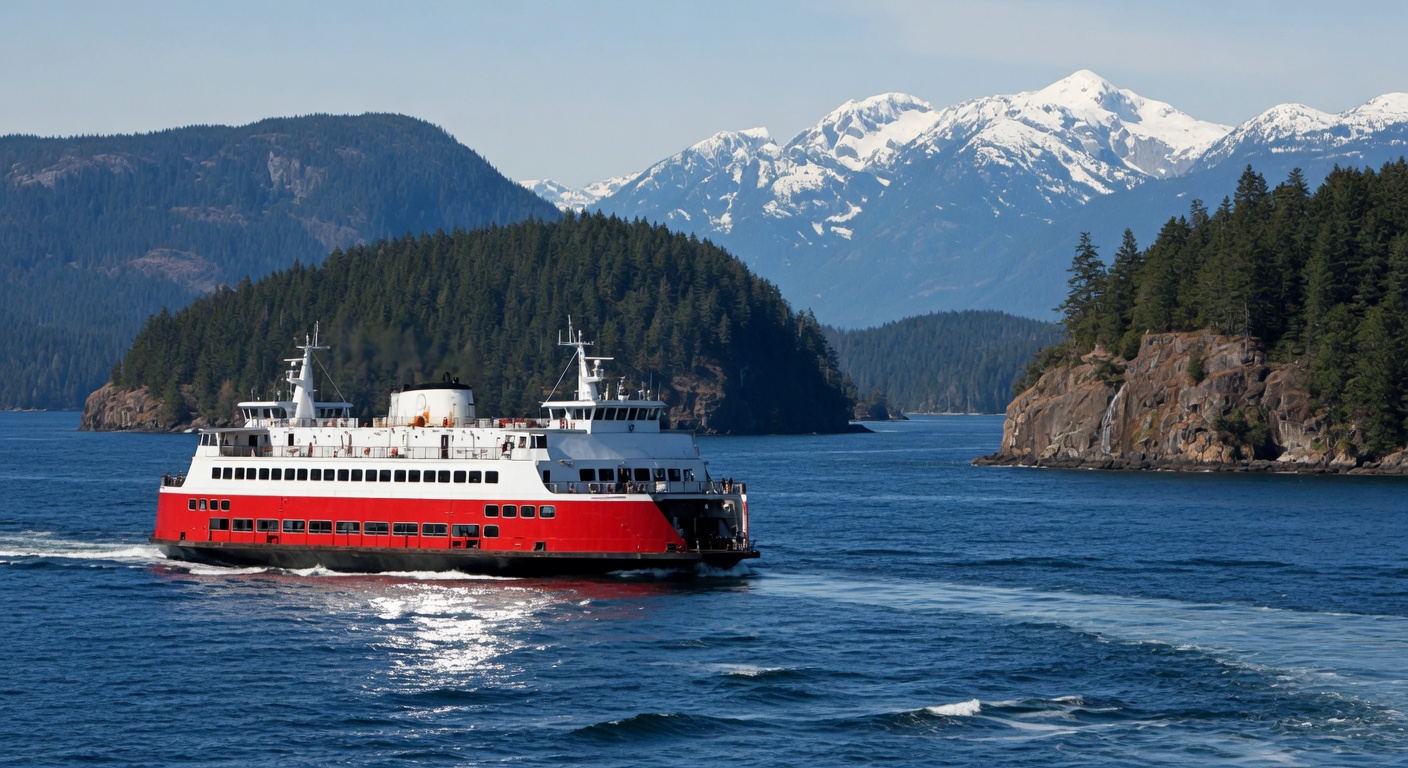
- The BC Ferries leg: pets travel in your vehicle or designated pet areas on car deck. Walk before boarding, crack windows.
- Plan pet-friendly hotel stops for multi-day drives (Best Westerns, La Quintas — book in advance).
Flying (Ontario, long-haul):
- Small dogs fly in-cabin on Air Canada / WestJet — least stressful option if your dog qualifies.
- Medium/large dogs fly as checked baggage or cargo in airline-compliant hard crates. Book early.
- Know restrictions: summer heat embargoes and snub-nosed breed (brachycephalic) cargo bans. Plan months ahead.

When Your Dog Lands
- Licence your dog. It's municipal (Victoria, Saanich, Oak Bay, Langford). Do it in your first month.
- Find a vet before you need one. Victoria vets have waitlists. Register when you arrive.
- Learn beach/park bylaws. Off-leash rules change by beach, season, time of day. Complete guide at VictoriaDogs.com.
- Choose neighbourhood with your dog in mind. Proximity to Dallas Road or an off-leash park changes your daily life more than extra square footage.
From the US: dogs entering Canada need a valid rabies certificate. If routing through the US, the US now has its own dog import requirements including a CDC import form and microchip. Check both borders' current rules.
MSP Deadline & Health Care
Do This the Day You Arrive
This is the deadline people get wrong most often, so here it is plainly: Apply for BC's Medical Services Plan (MSP) as soon as you arrive, but know that coverage doesn't start immediately. New residents complete a wait period consisting of the balance of the month you arrive plus two more months. Arrive June 20? Coverage starts September 1. Apply for MSP at gov.bc.ca.
What to Actually Do
A 0-step framework to get it right
Apply online the week you arrive
gov.bc.ca, MSP enrolment. Applying early doesn't shorten the wait, but processing takes time.
Keep your old province's coverage during the gap
Don't cancel early. From the US or abroad? Buy private interim coverage — a broken wrist without any plan is a five-figure problem.
Get your BC Services Card
At an ICBC driver licensing office. Combine it with your new driver's licence in one visit. Efficient.
Register for a family doctor via BC's Health Connect Registry
Attachment can take time. Urgent primary care centres and pharmacists fill the gap. Register on day one.
Transfer prescriptions & register for Fair PharmaCare
Do it before your old prescription runs out.
ICBC Car Insurance & Driver's Licence
Deadlines You Need to Know
BC does car insurance differently: it's through ICBC, the public insurer, and it's bundled with registration. Visit ICBC.com for out-of-province vehicle registration requirements and insurance quotes.
Switch your driver's licence
New BC residents can drive on a valid out-of-province licence for up to 90 days, but don't wait. You'll need the ICBC visit anyway for your BC Services Card.
Register and insure with ICBC promptly
The requirement is measured in days, not months. Bring existing registration, proof of ownership, and ID.
Out-of-province vehicles need a private inspection
At a designated facility before BC registration. Book it early in week one — it's a common bottleneck.
Ask old insurer for a claims/driving history letter
ICBC can apply your existing safe-driving discount, but only with documentation.
Do you need two cars here?
Fairfield, James Bay, Oak Bay village, downtown are genuinely walkable. The Galloping Goose trail is a legitimate bike commute. Many relocation clients sell a car within a year. That's a five-figure annual swing in your favour.
Utilities, Internet
& The Setup Week
Book these before you arrive. Same-week appointments are not a Victoria thing.
BC Hydro (electricity)
Open your account online with move-in date. Most of Greater Victoria heats with electricity.
FortisBC (natural gas)
Only if your home has gas. Your REALTOR® will tell you.
Water / sewer / garbage
Billed through your municipality. Learn the green-bin rules — yes, we compost here. Enthusiastically.
Internet
Telus (fibre) and Shaw/Rogers. Install appointments run 1–2 weeks out. Working remotely? Book internet before you book the movers. I'm serious.
Also on your list:
- Mail forwarding through Canada Post — set it up online before moving day.
- Address changes: CRA, bank, insurance, subscriptions. BC residents file an annual Speculation & Vacancy Tax declaration. It's a two-minute exemption if you live in your home.
Cost of Relocating to Victoria
What This Move Actually Costs
Rough, honest planning ranges for a typical household (2–3 bedroom home of belongings), because "it depends" is not a budget.
| Line Item | From Ontario | From Alberta | From Lower Mainland |
|---|---|---|---|
| Full-service movers | $8,000–$15,000+ | $4,000–$8,000 | $1,500–$4,000 |
| Ferry / Island delivery portion | usually built in (confirm) | usually built in (confirm) | $200–$500 if separate |
| Temporary housing (delivery-window gap) | $1,500–$4,000 (1–3 wks) | $500–$1,500 | often $0 |
| Travel (flights/fuel, hotels, pet fees) | $1,000–$3,000 | $500–$1,500 | $100–$300 |
| Vehicle: inspection, BC registration & insurance | $300–$800 | $300–$800 | $300–$800 |
| Utility setup & deposits, internet install | $100–$400 | $100–$400 | $100–$400 |
| Dog transport (cargo/in-cabin/ground) | $150–$1,200+ | usually drives with you | usually drives with you |
| Buffer for the unplanned (10–15%) | $1,500+ | $800+ | $400+ |
Ranges are planning estimates from recent client experience; get written quotes for your specific move.
Don't forget BC's Property Transfer Tax
Broadly 1% on the first $200K, 2% to $2M, 3% above, with exemptions for qualifying first-time buyers and new builds. On a typical Victoria single-family home, that's a five-figure closing cost out-of-province buyers routinely forget. We put it in writing for every client before they write an offer — because nobody should meet a tax for the first time at the lawyer's office. View PTT rates at gov.bc.ca
The Little Things
Everyone Forgets
The stuff that never makes the "ultimate guides," collected from our own moves and our clients'.
Book the ferry for your moving truck
Summer Saturday sailings sell out. Your mover should handle it; verify.
Strata move-in rules
Most stratas require booking the elevator and charge a $100–$200 fee. Book it or your movers stand in the lobby on the clock.
No IKEA on the Island
Delivery from the mainland adds time and cost. Order the sofa before you move, not after.
Winter tires on the Malahat
Mandatory Oct 1–Apr 30 on most BC highways. Victoria's rare snow day paralyzes a city built on hills with no plows for your street.
Earthquake coverage is a separate rider
Deductibles are percentage-based. Read that section of the policy. This is the West Coast; insure like it.
First-week rain jacket, not umbrella
You'll spot tourists by their umbrellas. A good shell changes your relationship with November.
The 6pm quiet
Victoria runs earlier than Toronto, Seattle, or Vancouver. Kitchens close, buses thin out around midnight. This is either the whole point or an adjustment.
Cheques still exist here
Some landlords, stratas, and daycares want them. Order a book from your bank.
Childcare waitlists: months to years
Join waitlists the day your move is confirmed, even before you have an address.
School registration early
Catchment enrolment needs your lease or purchase agreement. Popular catchments fill.
Learn the local words
The Malahat, the Pat Bay, the Colwood Crawl. You'll be fluent by spring.
Give yourself one wander day
Dallas Road, coffee, ocean. The day the move stops being logistics and starts being your life.

Best Neighbourhoods
for Newcomers to Victoria
Choosing where to live is the biggest decision in your relocation. Here's how the major areas compare for newcomers — and where to dig deeper.
Downtown & James Bay
Best for walkability, condo living, and arriving without a car. Harbour views, Dallas Road, and the Inner Harbour within walking distance. Most walkable neighbourhood in the region.
Explore James BayFairfield & Cook Street Village
Family-friendly with a village feel, great schools, and easy access to Dallas Road and Beacon Hill Park. A top choice for families relocating from Ontario and Alberta.
Explore Cook Street VillageSaanich & Oak Bay
Established single-family homes, excellent school catchments, and quieter streets. Popular with families moving from out of province who want space and community. Higher price points but strong resale.
Read the comparisonLangford & the West Shore
Newer developments, more affordable entry points, and the fastest-growing community in the region. Ideal for first-time buyers and those moving from Alberta who want more house for their dollar.
Explore LangfordOur complete neighbourhoods guide covers every area of Greater Victoria with detailed profiles, and you can explore Victoria's neighbourhoods by vibe, commute and housing character at a glance in our Living in Victoria hub. We also have deep dives on cost of living, school catchments, and what to expect when buying as a newcomer.
Browse All Neighbourhoods
Frequently Asked
Questions
How long does it take to plan a move to Victoria, BC?
Plan 12+ weeks from Ontario or the Maritimes, 8–10 weeks from Alberta, and 4–6 weeks from the Lower Mainland. The critical path is your moving company: long-haul carriers book 6–8 weeks out and deliver in a 1–3 week window, so everything else schedules around that.
When should I apply for BC MSP?
The day you arrive. MSP coverage begins after a wait period: the rest of your arrival month plus two months. Apply immediately and keep your previous province's health coverage active during the gap. Coming from outside Canada, buy private interim insurance.
How much does it cost to move to Victoria?
A full-service household move typically runs $8,000–$15,000+ from Ontario, $4,000–$8,000 from Alberta, and $1,500–$4,000 from the Lower Mainland, plus temporary housing during the delivery window, vehicle changeover costs, and (if buying) BC's Property Transfer Tax.
How do I move to Victoria with a dog?
Driving with the BC Ferries crossing is simplest. Pets ride in your vehicle or designated pet areas on the car deck. Flying, small dogs go in-cabin; larger dogs fly as checked baggage or cargo in a compliant crate, subject to summer heat embargoes and snub-nosed breed restrictions. Dogs entering from the US need a valid rabies certificate. Full details at VictoriaDogs.com.
Do I need a car in Victoria?
In the core neighbourhoods (James Bay, Fairfield, downtown, Oak Bay): no. Walkability, the Galloping Goose trail, transit, and Modo car-share make car-free or one-car life practical. Many households drop from two cars to one within a year.
Is moving to Victoria worth it?
For most of our relocation clients, yes. Mildest climate in Canada, ocean-and-forest access from every neighbourhood, and 10–20 minute commutes. The honest trade-offs: housing costs, ferry-dependence, and healthcare attachment waits. Our full pros-and-cons guide covers both sides without the brochure gloss.
What do people forget most often?
The most common misses: reserving the ferry for the moving truck, booking strata elevators, the out-of-province vehicle inspection, earthquake insurance riders, childcare waitlists, and BC's Property Transfer Tax at closing.
You Don't Have to Do This Alone
You don't have to project-manage this alone. Relocation is what we do. I've made this move myself, and Perry and I have guided families here from Toronto, Edmonton, Oakland, Seattle, and Vancouver. We'll build your timeline, hand you our trusted movers list, map neighbourhoods to your actual life (dog included), and be the local team on the ground before you land. Learn more about us at HappyHomesVictoria.com.
Continue Your Research
Deep dives into the topics that matter most when choosing Victoria.
Pros & Cons of Living in Victoria
An honest, balanced take on island life — weather, community, healthcare access, and the real logistics of ferry living.

Saanich vs. Langford vs. Oak Bay
A detailed cross-comparison of three hallmark municipalities. Neighbourhood vibes, price points, school districts, and commuting profiles.

Cost of Living & Lifestyle Breakdown
A comprehensive financial comparison. Victoria vs. Vancouver, Alberta centres, and major Canadian cities — taxes, housing, and lifestyle costs.
All Neighbourhoods
Compare areas across Greater Victoria
Cost of Living in Victoria
Taxes, housing, utilities, and lifestyle
School Catchments
Find schools by neighbourhood
Buying in Victoria
Guide for out-of-province buyers
Client Testimonials
Hear from other relocation clients
Why Choose Our Team
What makes us different
Don't Move to Victoria
Without This
Our free Victoria BC relocation guide checklist covers everything from MSP deadlines and ICBC paperwork to mover red flags and the little things everyone forgets. Whether you're moving from Ontario, Alberta, or Vancouver, we've got you covered. Drop your name and email and we'll send it straight to your inbox.

Ziggy approves of island life.
Get Your Free Relocation Checklist
Enter your details below and we'll email you the complete Victoria relocation checklist — timelines, budgets, paperwork, and everything in between.
No spam · We respect your privacy · Unsubscribe anytime
Happy Homes Team
Homes with soul. Strategy with heart. Explore our guides to building financial and emotional roots on Southern Vancouver Island.