
PART 1 · THE HONEST BALANCE
7 Things Nobody Tells You About Moving to Victoria
Before you pack for Vancouver Island, here's what the brochures leave out and what actually makes it worth the leap.
The romanticism of relocation can distort typical moving planning. Most online articles about Southern Vancouver Island read like vacation pamphlets, focusing on sunny seawalls, year-round cherry blossoms, and whale sightings. Here at the Happy Homes Team, we believe real life needs real answers. As expert negotiation strategists, we also know that the real estate side of relocating demands sharp advocacy, especially for out-of-province buyers. In this guide, we address the systemic benefits of island living along with the physical, logistical, and infrastructural realities you must navigate of living in Greater Victoria. For deeper dives, see our Alberta relocation guide and Ontario retirees guide.
The Premium Coastal Advantages (Pros)
What makes Southern Vancouver Island so deeply irresistible.
The Mildest Weather Pattern in Canada
Victoria lies in the rain shadow of Washington State’s Olympic Mountains. This shields the region, allowing it to enjoy half the annual rainfall of Vancouver or Seattle. Heavy freezes are exceedingly rare. Instead of shoveling snow in February, locals witness the annual flower count. Winters feel like a mild, brisk autumn where you can golf, garden, hike, or bike year-round. This represents huge benefits: no road salt corrosion on your car, and minimal household heating spikes.
Community Vibes & Sustainable Lifestyle
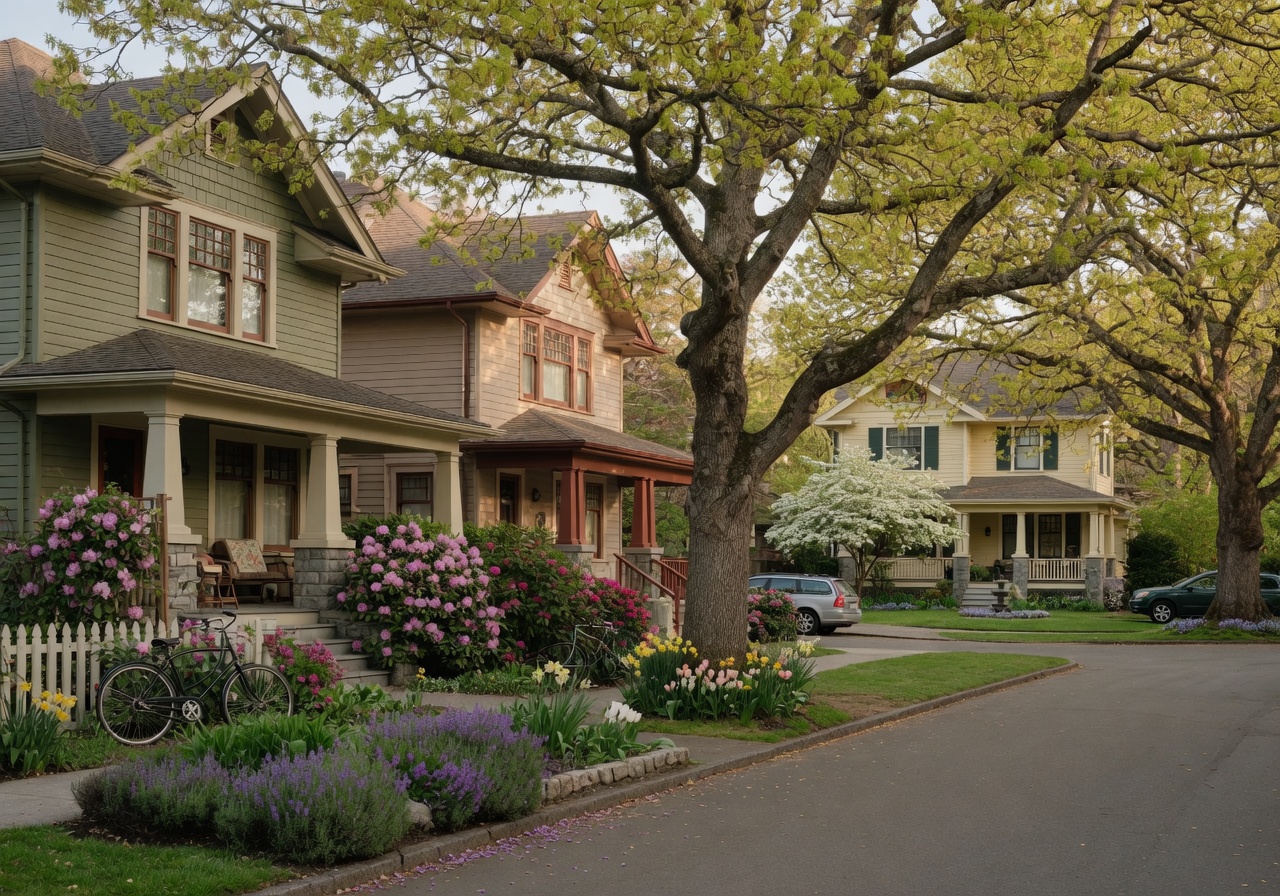
Victoria operates on a slower, highly intentional rhythm known as "island time." High-priority value is placed on supporting localized businesses, organic farms, and regional artisans. Communities host thriving neighborhood farmers' markets (like Moss Street or Esquimalt Markets) year-round. There is a deep, welcoming local warmth and an overwhelming outdoor culture. Neighbors look out for each other, and small civic communities like Cook Street, Oak Bay Avenue, or Cadboro Bay foster rich, walkable connections.
A Spectacular Natural Oasis At Your Door
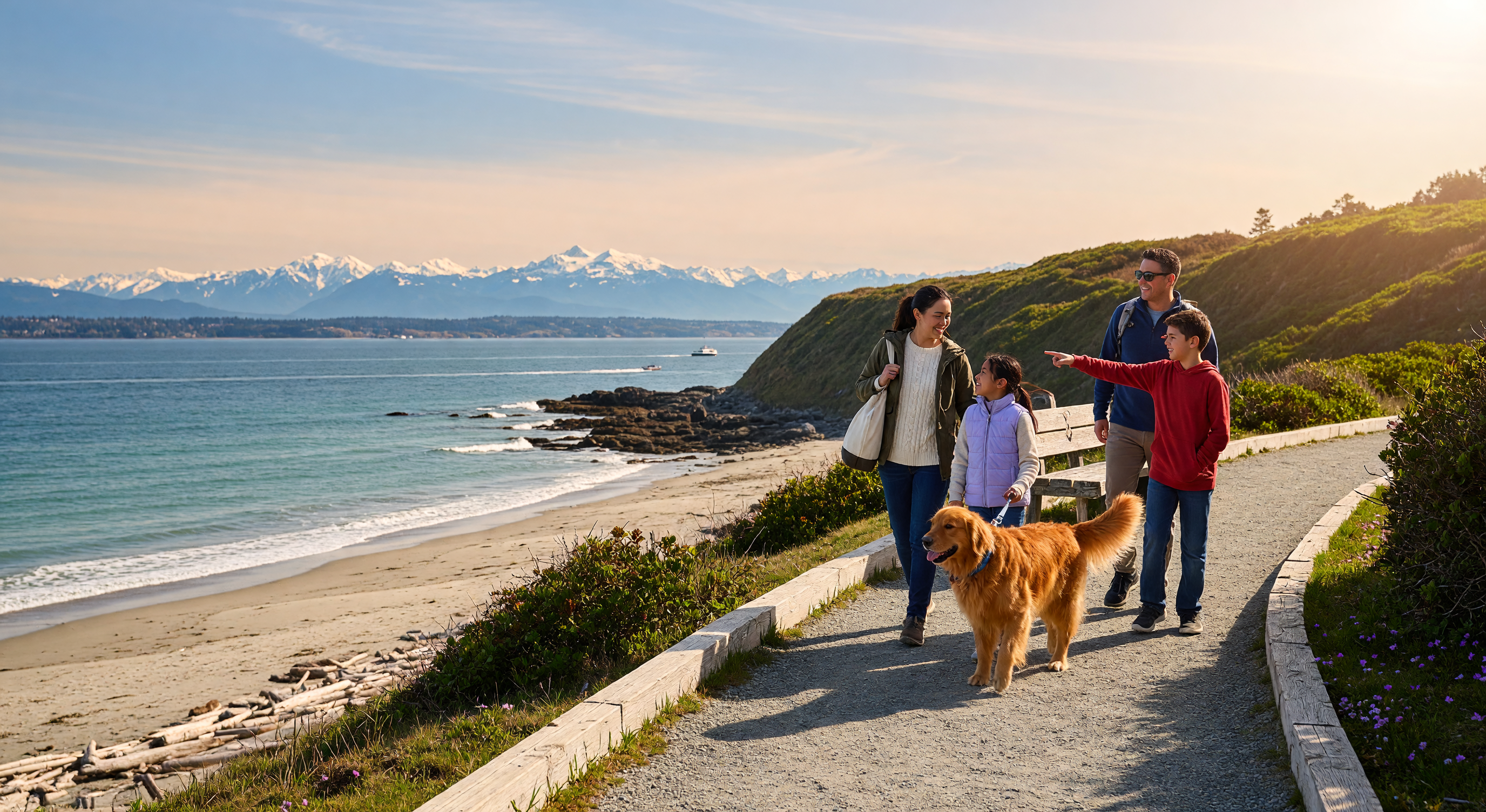
Both modern downtown condos and split-level homes in Saanich place you just 10 to 15 minutes away from the Pacific shoreline. The massive waterfront pathway system along Dallas Road offers miles of off-leash park bluffs. Coastal wilderness drives, pristine lakes (like Elk & Beaver Lake or Thetis Lake), and ancient old-growth forests (like Goldstream Provincial Park) are embedded straight into our urban boundaries.
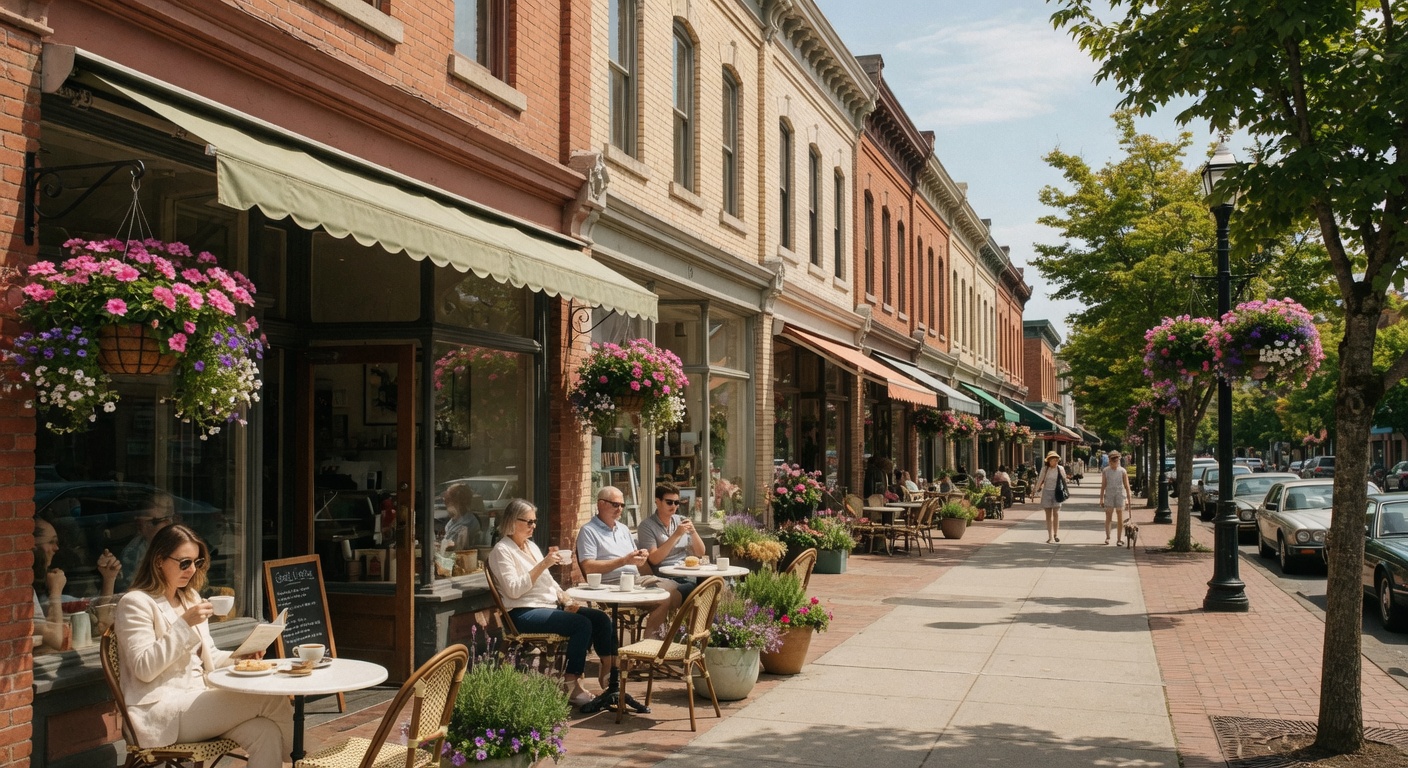
Community walks along Dallas Road and Oak Bay bluffs define Victoria style.
The Realistic Island Realities (Cons)
The logistical friction and systemic costs of southern island living.
The Ferry Dependency & Mainland Costs
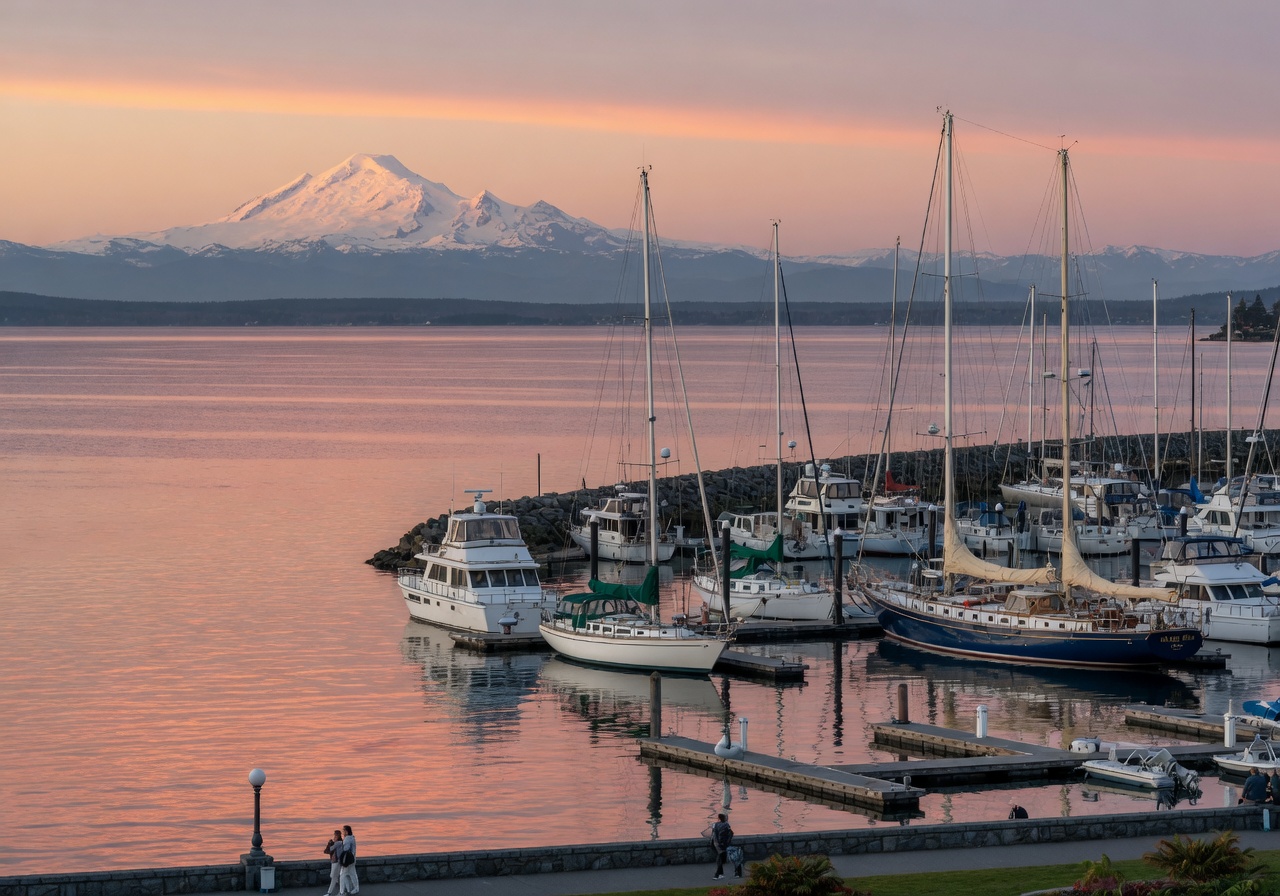
Traveling to Vancouver or Seattle requires active coordination. BC Ferries is the primary maritime connector, taking 1 hour 35 minutes between Swartz Bay (Victoria) and Tsawwassen (Vancouver). A standard car and driver crossing can cost $100 to $120 one-way. During peak summer weekends or holidays, wait times can spike to multiple hours if you have not booked a reservation in advance. While floatplanes (Harbour Air) provide a fast 35-minute hop straight between inner harbours, they represent a premium fare (~$150-$250 one-way).
Infrastructural & Healthcare Bottlenecks
Vancouver Island has finite medical layouts compared to major metropolitan continental cores. There is a documented province-wide shortage of dedicated primary care family doctors. New transplants must often rely on community walk-in clinics, local urgent care centers, or clinical digital portals for immediate prescriptions while registering in the Health Connect Registry for long-term assignment. In addition, large building projects can suffer mild material transit delays because raw resources must cross the water.
The Island Cost Premium & Gas Spikes
Because Victoria is located on an island, basic physical goods (such as heavy building supplies and specialized items) include specialized maritime shipping fares. Gas prices are among the highest in North Canada, routinely priced higher than in Alberta and even other US borders, due to local carbon taxes and refinery logistics. Successfully adjusting requires prioritizing local resources, adopting micro-commuting strategies, and choosing homes with high spatial property efficiency.
"The ferry acts as a natural gatekeeper. Yes, it can be a minor logistical hurdle, but that dynamic boundary is precisely what protects Victoria's historic preservation and peaceful community spirit."
- Perry Fanthorpe, Happy Homes TeamExplore costs, neighbourhood comparisons, lifestyle deep-dives, and everything you need to make an informed move.
Ready to Compare Homes?
Browse active listings in Saanich, Langford, and Oak Bay side by side.
Search ListingsHappy Homes Team
Homes with soul. Strategy with heart. Explore our guides to building financial and emotional roots on Southern Vancouver Island.