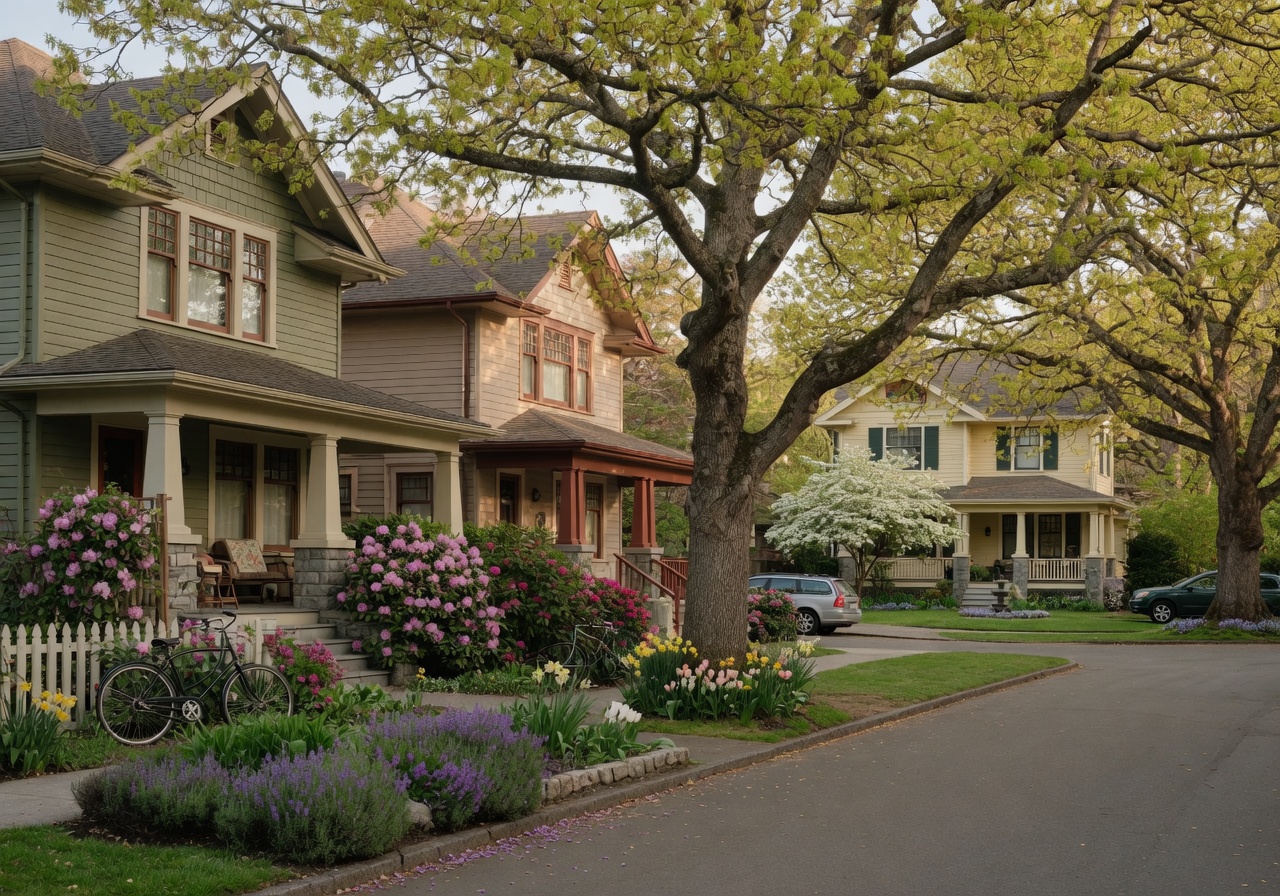
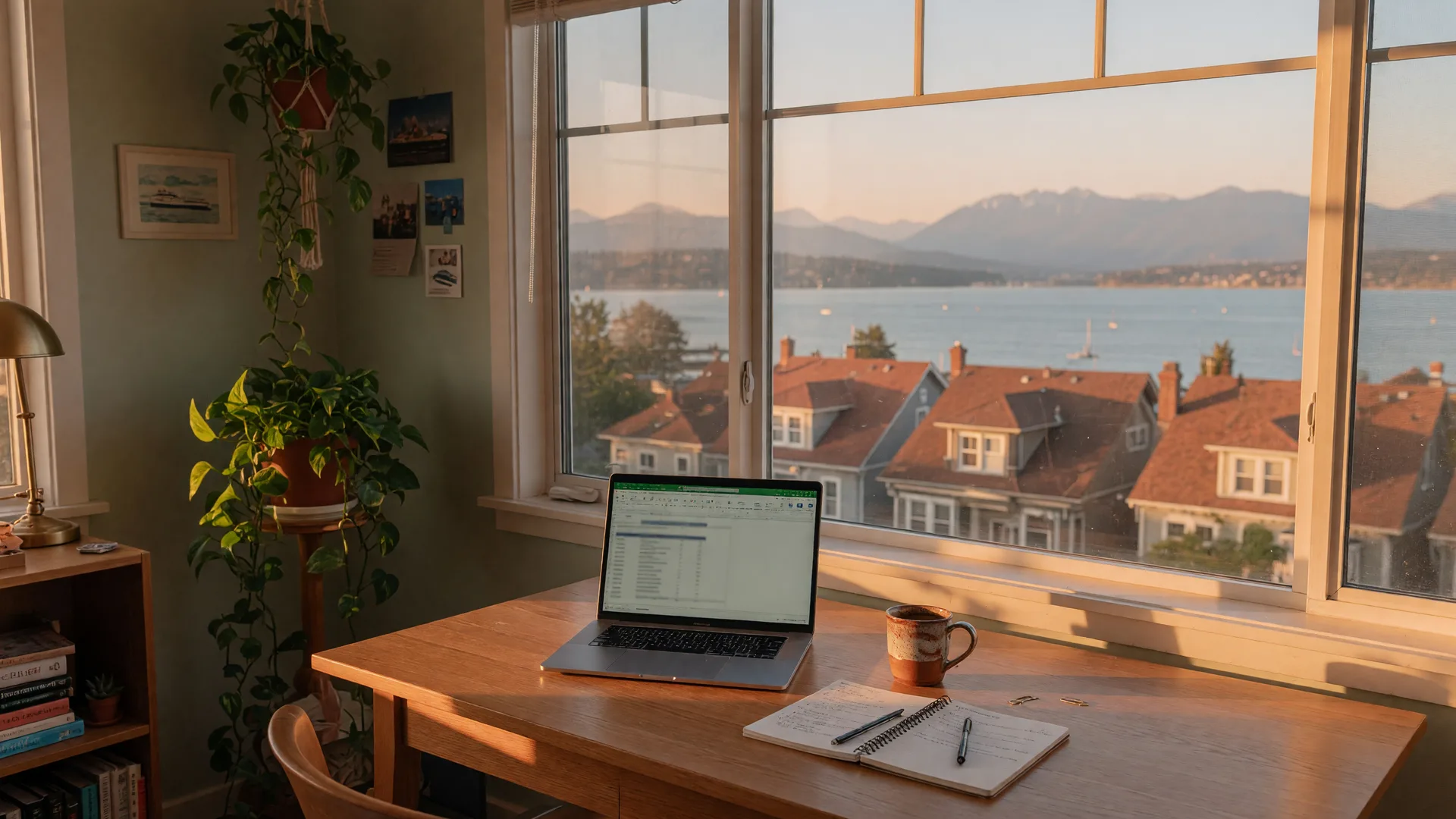
This page is the honest answer to a question that comes up in nearly every relocation conversation we have: will the internet work, and will the phone work? It is written by locals who live here, from what the networks actually do in BC and what residents across Greater Victoria actually experience. It is not a telecom brochure, and it does not pretend every address is perfect. It gives you the tools to find out the truth for your exact street in about an hour.
How the Networks Actually Work in BC: The Gotchas
The single most useful thing to understand about connectivity in BC is that the three big cell networks are not three separate grids. Once you know who actually owns and shares the towers, every other decision gets easier, from which carrier to pick to whether a “no signal” story you heard about a neighbourhood should worry you.
First, the big one: Bell and Telus share the same towers in BC. If one is dead at a given address, the other usually is too. Two brand names, one physical network under the hood. Knowing this saves you a whole afternoon of comparing Bell and Telus coverage maps against each other, because for most practical purposes they are the same network.
Rogers runs its own network. That is the whole plot twist: Rogers has a separate footprint with different towers, so its coverage can be dramatically better or worse than Bell or Telus at the same address. It has its own strengths and weaknesses, and it deserves to be judged on its own, never assumed to match the other two.
Then there are the flanker brands, the discounts of the wireless world. Koodo and Public Mobile ride the Telus network, and Fido rides Rogers. Same towers, same coverage, lower monthly bill. If you have ever been quoted a price that made you wince, the flanker on the same network is often the answer.
Wired internet works the same way, just with cables. Most homes in Greater Victoria connect over one of two physical networks: Telus PureFibre, which is fibre to the home, or Rogers Ignite, which is the former Shaw cable network. Independent internet resellers like JUCE, TekSavvy, Oxio, and Lightspeed buy access on the cable network and, in some cases, Telus DSL lines, then resell it for less. One honest catch: Telus does not license its fibre network to resellers, so if you want true fibre to the home, Telus is the only option. The cheaper resellers are your cable and DSL option, still a smaller bill, just not a fibre one.
The takeaway locals wish we had told them sooner
The logo on the bill is not the network. Coverage follows the physical towers and the physical cables, not the brand printed on your statement. Research the network first, then let the brand and the price follow. This one habit separates newcomers who get lucky from newcomers who get it right every time, and it is the most valuable thing we think you can learn from this page.
Internet by Area, 2026: The Real Picture
Here is the 2026 picture for wired internet across Greater Victoria, in plain terms. This is a rundown, not a ranking: the best option for you depends on your street, your work, and what is already wired to the house. Treat each area as a starting point, and always confirm the exact address before you decide anything.
Victoria, Oak Bay, Saanich, Sidney
Telus PureFibre is the gold standard here, with symmetric speeds in the gigabit range and faster tiers available depending on the address and plan: the same speed up as down, which is exactly what matters if you upload for a living. Rogers Ignite, formerly Shaw cable, is also widely available across the city as a strong alternative, so most addresses in the core and on the peninsula have two real choices.
Langford, Colwood, View Royal
The West Shore shows strong fibre availability, and the newer development areas are particularly well served. A fibre address in Langford, Colwood, or View Royal is the norm rather than the exception, which is good news for anyone commuting to work from a home office out that way.
Sooke, Metchosin, Highlands, Malahat
These are the pockets-and-valleys parts of the region. Fibre covers some addresses beautifully and skips others entirely, sometimes within the same road. For the truly rural spots, Starlink is the practical answer, and locals with acreage often run satellite happily. Check your exact address; the map here changes fence line by fence line.
The Gulf Islands
Satellite and Starlink territory, plain and simple. We will not promise you fibre on the islands, because it is not coming soon. If you are moving to Pender, Saturna, Galiano, or any of the outer islands, plan for Starlink or another satellite service and check availability for your exact island address before you commit.
Do this before anything else
Check the exact address on the Telus and Rogers availability tools. Not the city, not the neighbourhood: the exact address, because availability can change within a single block. Both tools are free, both take about two minutes, and both answer more questions than any article ever could.
Cell Coverage by Area: What Locals Actually Report
Cell coverage deserves more honesty than internet coverage, because so much of it is lived experience and anecdote. The truthful way to say it: coverage is hyper-local, and this section is a summary of what residents tell us, not a promise for any single address. A dead zone can be one house wide. Treat every generalisation here, including ours, as a reason to test, not a reason to decide.
- Cordova Bay is genuinely spotty. In local experience, Telus-family networks have worked better than Rogers there, and that is what neighbours report. Rogers may have improved since; the coverage maps differ from what people experience on the ground. Always test at the exact address before you take anyone's word for it, including ours. For more on the area, our Cordova Bay neighbourhood guide covers the rest of what makes it worth considering anyway.
- Broadmead and Cedar Hill have known dead zones. Residents in both area report pockets of weak or missing signal, usually in specific hollows and lower streets rather than across the whole neighbourhood. If you are looking in either area, the walk-through test is non-negotiable.
- Downtown and the core are generally well covered by all carriers. Downtown Victoria and the walkable core are the one part of the region where you can usually stop worrying. If you work in an office tower downtown, cell coverage is rarely your problem.
And here is the honest headline. Some recent reports say Rogers has improved a lot across the CRD, while others still find Bell or Telus most reliable. Both can be true at different addresses, and we are not going to pretend otherwise. It genuinely depends on your exact street, which is exactly why the checklist in Section 4 matters more than any article, including this one.
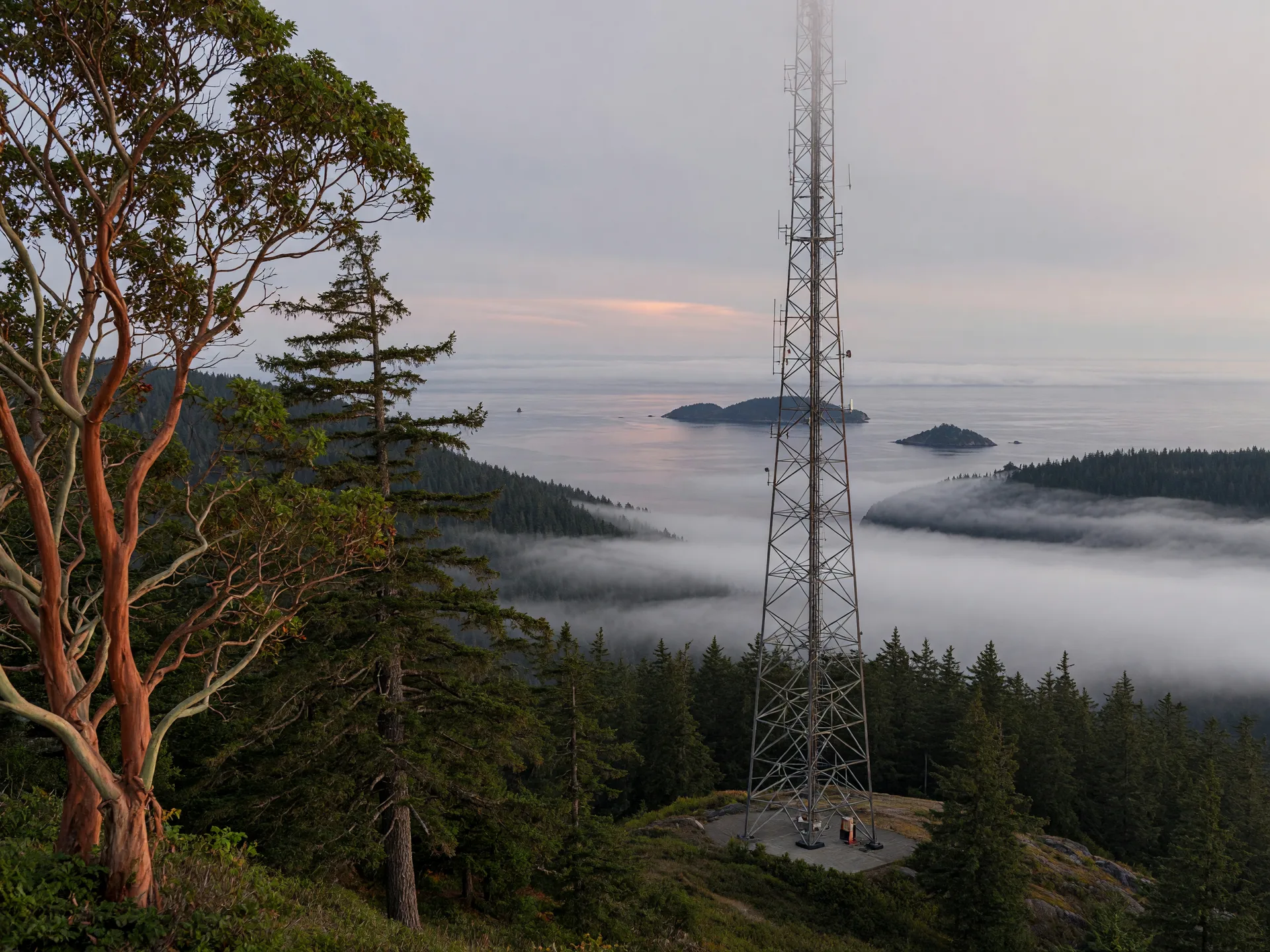
Rural coverage follows terrain, and the Malahat, Sooke, and Gulf Islands stretches are where the maps get generous and the real world gets quiet. One tower can serve a wide valley and miss the house on the next ridge over.
The Viewing-Day Checklist: Test Before You Commit
This is the gold. When you tour a home, or before you sign anything, take an hour and run through this list. It catches the vast majority of connectivity surprises before they become yours.
- 1 Check the official coverage maps by the exact address, not the city. All three carriers have address-level tools. Enter the street number and look at the result for that property, because neighbourhood-level maps are the ones that lie. Here are the official ones: Telus, Rogers, and Bell.
- 2 Ask the seller or landlord what provider they use and whether it works well at the property. People love to complain; you will get an honest answer. Current occupants know exactly which rooms drop calls and whether Zoom holds up, and they have no reason to sugar-coat it.
- 3 Do a walk-through test. Stand in the rooms you will actually use, the home office especially. Make a call and run a speed test from each one. Basements and north-facing rooms hide dead zones, and they have a way of being exactly where the desk ends up.
- 4 For fibre versus cable versus satellite, check what is actually wired to the house, not what is available on the street. A map can say fibre is available one block over while the drop to this particular house never got pulled. Ask what line physically enters the building, and if the answer is fuzzy, that is your answer.
- 5 Remember the flanker brands. If you like the Telus coverage at the property but not the price, Koodo or Public Mobile ride the same network. If Rogers is the winner, Fido rides it. Good coverage at the address you tested does not have to mean a full-price bill.

Basements, north-facing rooms, and converted dens are where coverage goes to hide. When you tour, test from the room that will actually be the office, not from the living room with the picture window.
This checklist is the kind of local knowledge that made us build Roots, and it is exactly what we help relocators work through neighbourhood by neighbourhood. If you would rather walk a candidate street with someone who has already asked these questions a hundred times, that is what our buyer consultations are for: the honest per-neighbourhood rundown, connectivity included, before you sign anything.
Quick Reference: The Two-Minute Version
One or two sentences each, for the moment you are standing in a driveway with a phone in your hand.
Fibre
Telus PureFibre is the gold standard in much of the region, and independent resellers like JUCE, TekSavvy, Oxio, and Lightspeed run on the same fibre lines for less. Where fibre is available, look for symmetric speeds up to 1 Gbps.
Cable
Rogers Ignite, formerly Shaw cable, is the main cable option and is widely available across Greater Victoria as a strong alternative to fibre, especially where fibre has not reached.
Satellite
Starlink is the practical answer for truly rural addresses and the Gulf Islands, where wired fibre should not be promised. Verify availability for your exact service address before you plan around it.
The rule to remember
Bell and Telus share towers in BC: if one is weak at your address, the other usually is too. Rogers is its own network and deserves its own test, never an assumption.
Staying Connected and Staying Safe: The Cluster This Guide Lives In
Connectivity is one half of the local-knowledge homework for choosing a home in Greater Victoria, and emergency preparedness is the other. This guide sits alongside our tsunami high ground guide in a small cluster we built for people settling into the region: know whether you will stay connected day to day, and know what your exact neighbourhood does on the rare days that matter most.
If you are moving to Greater Victoria and want the honest per-neighbourhood rundown, including the parts that never make it into a listing, book a buyer consultation with us. It is free, it is straight talk, and it is exactly the kind of conversation we enjoy most.

About the Authors
Anna Hakim & Perry Fanthorpe, Happy Homes Team
Anna Hakim and Perry Fanthorpe are AI Certified Agents at eXp Realty in Victoria, BC. They write the community guides on Roots in Victoria the same way they work with clients: researched, honest, and specific to this corner of Vancouver Island.