
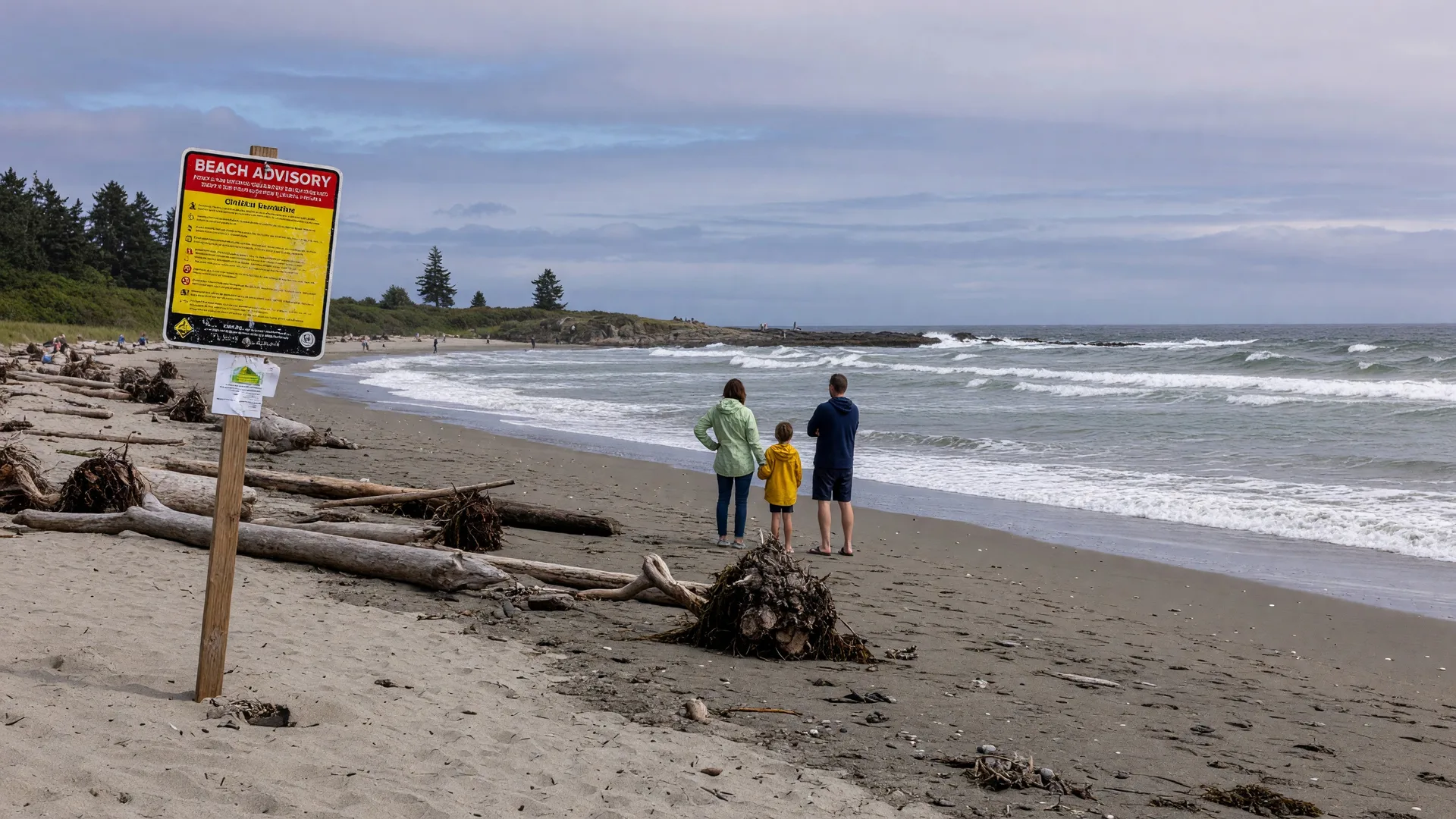
As of July 2026, seven Greater Victoria beaches have been declared unfit for swimming by Island Health. Three are affected by blue-green algae (cyanobacteria): Thetis Lake Beach (advisory since June 23), Prior Lake (advisory since July 14), and Beaver Lake (long-standing advisory since October 2023). Three are affected by high enterococci bacteria: Gonzales Bay Beach, Esquimalt Gorge Kinsmen Beach, and Ross Bay Beach. Art Mann Park has been under an unsatisfactory bacteriological water quality advisory since January 2015. Water quality testing through the CRD Beach Water Quality Monitoring Program checks for bacteria and algae blooms throughout the summer. Check Island Health's beach advisory page before heading out, especially after rainfall.
Update: This situation has changed. See our July 30 update for the latest information on eight beaches now under advisory, including Langford Lake and Cadboro Gyro Park Beach.
It's the kind of headline that stops a Victoria summer day short: seven beaches in the Capital Region have been declared unfit for swimming, including three under long-standing advisories. For families who plan their weekends around beach days, for dog owners who walk the shoreline every evening, and for anyone who grew up thinking of Victoria's beaches as some of the cleanest in the province, the news lands with a particular weight. Here's what happened, what it means, and how to stay informed.
Which Beaches Are Affected and Why
According to Island Health advisories reported by Victoria Buzz, the following seven Greater Victoria beaches are currently deemed unsafe for swimming:
Thetis Lake Beach (View Royal)
Advisory issued June 23, 2026, still in effect due to a blue-green algae bloom. Cyanobacteria can produce toxins even without visible signs on the water surface. Symptoms in humans include headaches and abdominal pain.
Prior Lake (Langford)
Advisory issued July 14, 2026 due to a blue-green algae bloom. Cyanobacteria can produce toxins harmful to humans and pets even when no visible scum is present on the water.
Beaver Lake (Saanich)
Long-standing blue-green algae advisory since October 2023. Part of the Elk/Beaver Lake regional park system, popular with paddleboarders and anglers.
Gonzales Bay Beach (Fairfield)
Declared unfit due to high enterococci bacteria levels. Enterococci originates from the human gastrointestinal tract and can cause serious infections in the bloodstream, urinary tract, and surgical wounds. Highly antibiotic-resistant.
Esquimalt Gorge Kinsmen Beach
Declared unfit due to high enterococci bacteria levels. The sheltered tidal conditions in the Gorge can contribute to bacterial buildup. Enterococci is associated with the human gastrointestinal tract and is highly antibiotic-resistant.
Ross Bay Beach (Fairfield)
Declared unfit due to high enterococci bacteria levels. Enterococci originates from the human gastrointestinal tract and is known to be highly antibiotic-resistant, posing serious health risks to swimmers.
Art Mann Park (Saanich)
Long-standing advisory since January 2015 due to unsatisfactory bacteriological water results. One of the oldest standing beach advisories in the capital region.
These affected beaches span several communities across Greater Victoria. You can explore each area in depth on our neighbourhood guides, which cover everything from beach access to schools and walkability. For a broader look at Victoria's coastal lifestyle, our best beaches guide covers the region's top swimming spots.
How the CRD Beach Monitoring Program Works
The Capital Regional District (CRD) Beach Water Quality Monitoring Program, launched in 2020, is the system that keeps Victoria residents informed about the safety of local swimming spots. The CRD publishes its testing data and program details on its official website. Here's how it works:
Island Health monitors and tests all impacted sites, and warning signs are posted at every affected location. Every summer, from mid-May through Labour Day weekend, the CRD collects water samples from formally recognised public recreational beaches across the region, typically testing on a weekly basis. Those samples are tested for E. coli, enterococci (a bacteria associated with the human gastrointestinal tract), and monitored for visible signs of blue-green algae blooms. The results are shared with Island Health, which interprets the data against BC provincial health guidelines and issues public advisories when bacterial levels exceed safe thresholds.
When an advisory is issued by Island Health, the beach owner (typically the local municipality or the CRD itself) posts clear warning signs along the affected shoreline. The advisory remains in place until follow-up testing confirms the water is safe for primary contact recreation — which is the technical term for swimming, wading, and any activity where your head might go under.
The program covers beaches on both inland lakes and ocean shoreline. Not every beach in Greater Victoria is formally monitored — only recognised public recreational beaches with lands controlled by the CRD or local municipalities. But for the beaches that are tested, the data from the CRD is reliable, current, and publicly available on their beach water quality page.
What This Means for Residents and Families
If you swim at an affected beach, the health risks depend on the type of contamination. According to Island Health advisories and reporting by Victoria Buzz, bacterial contamination (enterococci, E. coli) requires special attention. Enterococci bacteria originates from the human gastrointestinal tract and is known to be highly antibiotic-resistant. Exposure can cause serious infections in the bloodstream, urinary tract, and surgical wounds, in addition to gastrointestinal illness, skin rashes, ear and eye infections, and respiratory issues. Children, older adults, and anyone with a compromised immune system face the highest risk. Even wading in ankle-deep water carries risk if the water is swallowed or splashed into the mouth.
Blue-green algae blooms present a different set of risks. A critical detail many people miss: blue-green algae can produce toxins even when there are no visible signs on the water surface. The water may look perfectly clean while dangerous cyanotoxins are present. Contact can cause skin irritation and rashes. Swallowing affected water can lead to headaches, abdominal pain, stomach cramps, vomiting, and diarrhea. For dogs, the risk is far more serious — cyanotoxins can be fatal within hours of ingestion, which is why you'll see prominent warning signs at affected lakes like Thetis, Prior, and Beaver.
For families with young children, the practical reality is this: toddlers and preschoolers spend most of their beach time in the shallow water at the shoreline — exactly where bacteria and algae scum concentrate. If your usual beach is on the advisory list, it's genuinely worth choosing a different spot until the advisory is lifted.
Which Beaches Are Currently Safe
The good news is that many of Greater Victoria's most popular beaches are not currently under advisory. If a beach is not listed on the Island Health advisory page, it is considered safe for swimming. As of July 2026, these beaches are clear:
- Willows Beach (Oak Bay) — Family-friendly sand beach, shallow protected waters, Kiwanis Tea Room
- Cadboro Bay Beach (Gyro Park) — Sandy shore with playground and picnic areas
- Cordova Bay Beach (Saanich) — Long pebbly-sandy beach, quiet and spacious
- Island View Beach (Saanich Peninsula) — Tidal beach, panoramic views of San Juan Islands
- Dallas Road Waterfront (James Bay/Fairfield) — Gravel beaches, grassy bluffs, off-leash dog areas
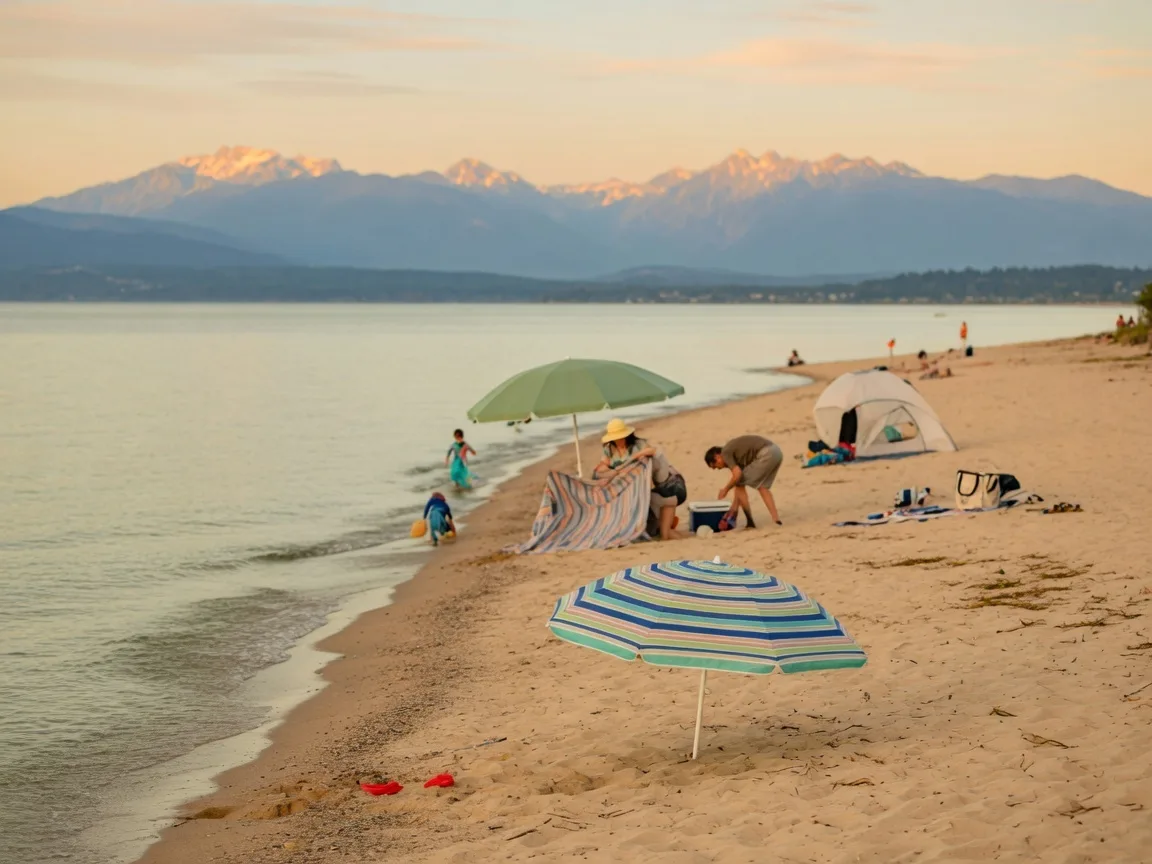
Willows Beach in Oak Bay is currently safe for swimming. Always check the advisory page before heading out.
For the full list of beaches we love in Greater Victoria, see our Best Beaches in Greater Victoria guide, which covers each beach's amenities, dog rules, and local tips.
How to Check Beach Water Quality Before You Go
Island Health maintains a live beach advisory page where you can see every active advisory across the Vancouver Island region. The CRD's beach water quality monitoring program also publishes its testing data regularly. Here's how to stay informed:
Your Beach Check Routine
- 1 Visit the Island Health beach advisory page at inspections.myhealthdepartment.com/island-health/beach-advisory. If your beach isn't listed, it's considered safe.
- 2 Check the CRD Beach Water Quality page at crd.ca/beach-water-quality for monitoring updates and program details.
- 3 Look for signage at the beach itself. Even if an advisory was issued after the website was last updated, warning signs are posted at the affected shoreline.
- 4 Check after rainfall. Heavy rain can wash bacteria from streets, storm drains, and wildlife habitats into the ocean, causing temporary spikes in bacterial levels.
Why Beach Water Quality Changes After Rain
One of the most important things to understand about Victoria's beach water quality is that it's not static. Conditions can change dramatically and quickly, especially after rainfall.
When it rains in Greater Victoria, stormwater runoff flows from streets, parking lots, and urban areas into the nearest waterway — and ultimately into the ocean. That runoff carries bacteria, animal waste, fertilizers, and other contaminants. The result is that beaches that tested perfectly safe on Tuesday can show elevated bacterial levels on Wednesday, after a heavy overnight rain.
This is not unique to Victoria. It happens in coastal communities everywhere. But it's something every local should build into their beach-going routine: if it rained heavily in the last 24 to 48 hours, consider waiting a day or two before swimming at ocean beaches, especially at beaches near storm drain outflows or urban creeks. The CRD tests beaches weekly during the summer, but as the CRD's monitoring program documentation notes, water quality can change rapidly after rain events. Bacterial levels typically return to normal within a few days, but the exact timing depends on weather conditions, tides, and sunlight (which kills bacteria naturally through UV exposure).
What About Dogs at the Beach?
If you walk your dog along Victoria's beaches and waterfront, you need to be aware of the same advisories, as Island Health's warnings apply to pets as well as people. Dogs are at higher risk than humans for waterborne illnesses because they drink directly from the water, lick their wet fur, and tend to explore the shoreline where bacteria and algae accumulate.
Blue-green algae toxins are particularly dangerous for dogs, as we covered in our Blue-Green Algae Alert post. That warning now applies to Thetis Lake, Prior Lake, and Beaver Lake all at once. But bacterial advisories at beaches like Gonzales Bay, Esquimalt Gorge, and Ross Bay also apply to pets. Keep your dog on a leash near the water at affected beaches, and carry fresh drinking water so they're not tempted to drink from the ocean or lake.
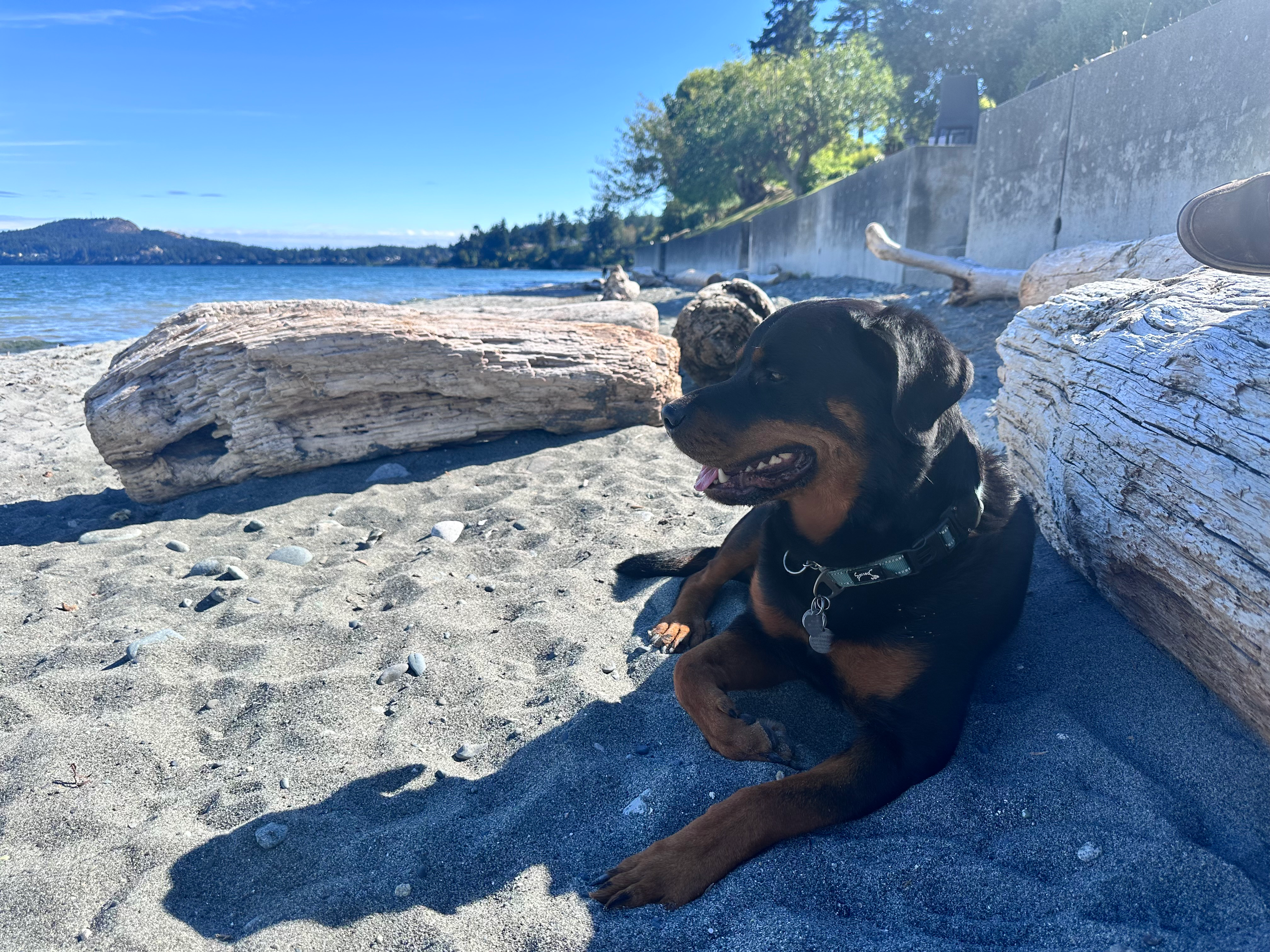
For a complete guide to which beaches allow dogs off-leash, seasonal restrictions, and dog-specific safety tips, check the Victoria Dog Guide beach page. For broader dog-specific water safety info, visit VictoriaDogs.com. It's the best local resource for navigating Victoria's beaches with your dog, including up-to-date information on water quality advisories from a pet owner's perspective.
One of Those Things Every Local Should Know
Living in Greater Victoria means the beach is never far away. It's a five-minute walk from homes in James Bay and Oak Bay, a short drive from Cordova Bay and Esquimalt, and part of the daily rhythm of summer life across the region.
Beach water quality advisories are not a reason to avoid the water entirely. They're a reason to stay informed. The CRD's monitoring program, combined with Island Health's advisory system (both documented in the sources below), gives residents a reliable, real-time picture of what's safe and what isn't. It's the same data Victoria Buzz draws on for its reporting and the same information Island Health uses to post warning signs at affected beaches. A quick check of the advisory page before you pack the cooler is all it takes.
If you're thinking about buying a home in Greater Victoria, the beaches and waterfront access are a genuine quality-of-life feature that shapes daily life here. The neighbourhood guides on this site break down every community in detail, from beach access to walkability to schools. And if you're new to the region, our relocation hub covers everything from cost of living to healthcare to the rhythms of island life.
This post is not a substitute for official public health guidance. For the most current beach advisories and water quality information, visit the Island Health Beach Advisory page and the CRD Beach Water Quality page. If you or a family member experiences symptoms after swimming, contact your healthcare provider or HealthLink BC at 8-1-1.
Sources & References
- Victoria Buzz: 4 Greater Victoria Beaches Declared Unfit for Swimming So Far This Year – July 17, 2026. Source for the beach list and advisory reporting.
- CRD Beach Water Quality Monitoring Program – Official source for water quality testing data and monitoring program details across the Capital Region
- Island Health Beach Advisory Page – The authority that issues beach advisories and posts warning signs. Live advisories for all Vancouver Island beaches
- Victoria Dog Guide: Dog-Friendly Beaches – Dog-specific beach safety and water quality updates

About the Author
Anna Hakim & Perry Fanthorpe, Happy Homes Team
Anna Hakim and Perry Fanthorpe are AI Certified Agents helping people build lives on Southern Vancouver Island. Perry builds financial roots through mortgage helpers and investment strategy. Anna builds emotional roots through community and belonging.
Related Reading
Dog owners: check the Victoria Dog Guide for the latest updates on which beaches and lakes are safe for your pets, plus off-leash areas, bylaws, and dog-friendly neighbourhood ratings.
For more dog-friendly content, visit VictoriaDogGuide.com.