
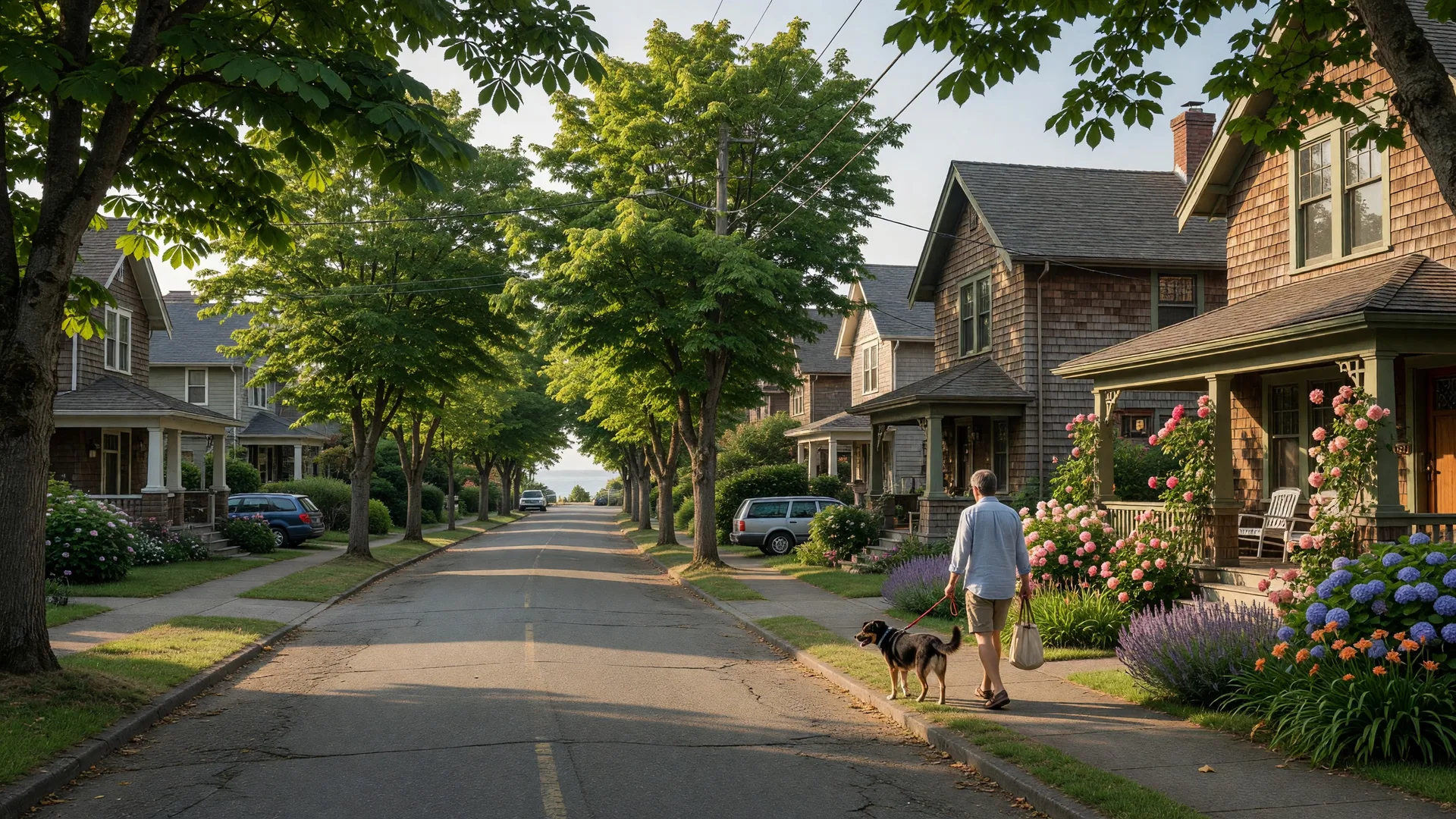
Yes, Fairfield is one of Victoria's most livable neighbourhoods for buyers who want walkability, heritage character, and immediate access to the ocean. You pay a premium for the location, and the housing stock skews older and smaller. But if being able to walk to Cook Street Village for groceries, have Beacon Hill Park as your backyard, and reach the Dallas Road waterfront in five minutes sounds like your daily life, Fairfield is hard to beat.
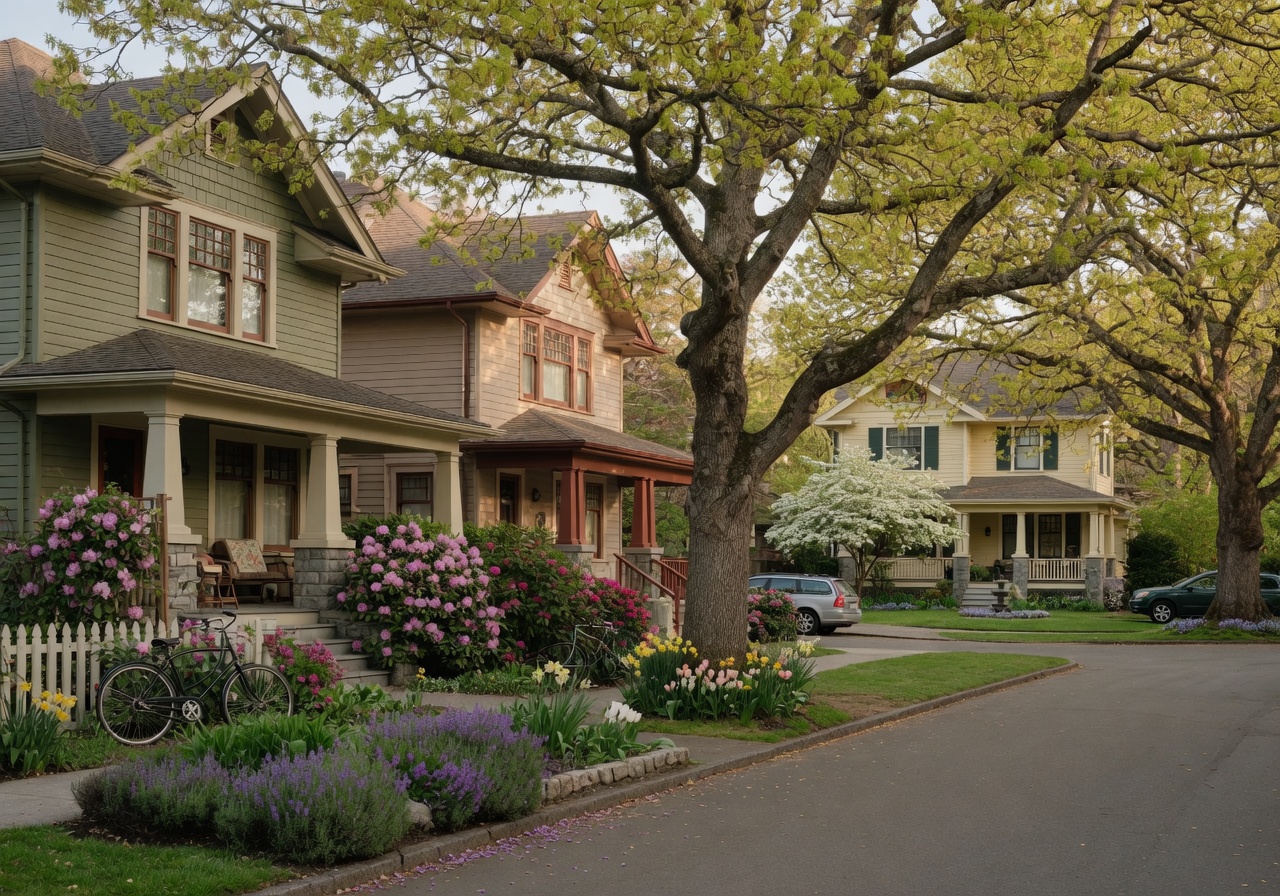
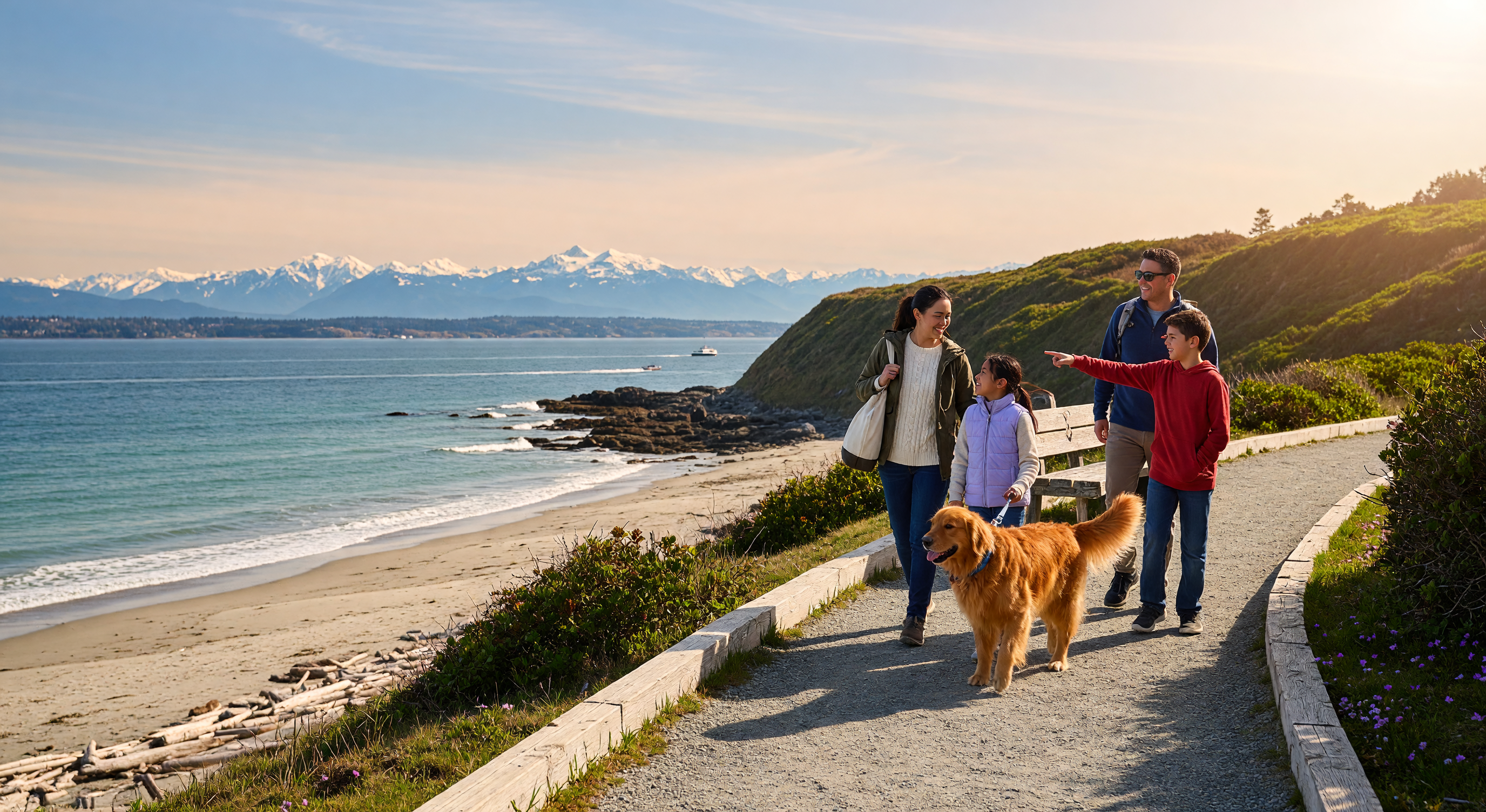
Fairfield is the kind of neighbourhood that sells itself on a single walk. You park on a quiet street lined with heritage trees, pass a century-old Arts and Crafts bungalow with a rose garden out front, and ten minutes later you are standing on a grassy bluff overlooking the Strait of Juan de Fuca with the Olympic Mountains rising across the water. It is Victoria's largest neighbourhood by population, and it has a way of making people who never planned to buy here start checking listings the same afternoon.
Where Is Fairfield and What Makes It Different?
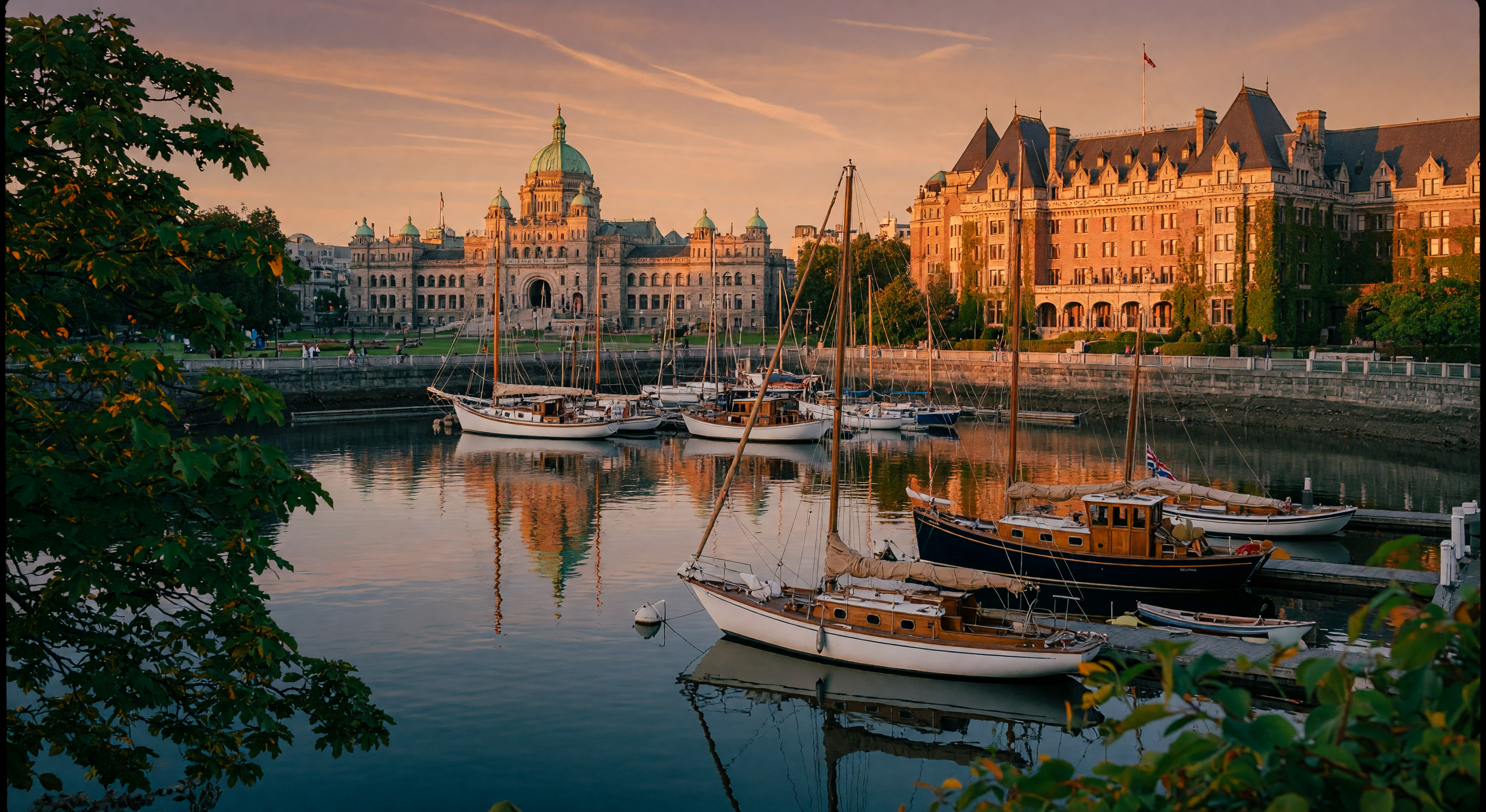
Fairfield is the southernmost neighbourhood in Victoria proper, stretching from downtown's eastern edge out toward the Oak Bay border. Dallas Road runs along its entire southern flank, where the land rises on a bluff above the ocean. North of that, the streets slope gently upward through blocks of heritage homes, apartment buildings, and the commercial strip of Cook Street Village.
What sets Fairfield apart from neighbouring James Bay or Oak Bay is the mix. James Bay feels like a quiet waterfront enclave with a lot of retirees and government workers. Oak Bay has the money and the schools but its village centre is a few blocks and done. Fairfield has more texture. You get university students renting the bottom half of a heritage duplex next to a family who has lived in the same house for forty years, next to a young professional who moved here from Toronto and walks to work downtown. The density is higher than Oak Bay, the price point is slightly lower than the most exclusive Oak Bay streets, and the walkability is among the best in the city.
What Is the Housing Like in Fairfield?
The housing stock in Fairfield is old, and that is the point. Most of the single-family homes were built between 1900 and 1940, with a strong concentration of Arts and Crafts, Edwardian, and California bungalow styles. You find a lot of character details that are hard to replicate in modern construction: original hardwood floors, built-in cabinetry, brick fireplaces, deep front porches, and bay windows that catch the afternoon light.
Homes here tend to be on smaller lots than what you find in Saanich or Oak Bay. The tradeoff is that you are paying for location, not land. Many properties are on 4,000 to 5,000 square foot lots, which means less yard maintenance and more time spent walking to the beach or the market.
Condos and townhouses make up a significant portion of Fairfield's housing mix. Low-rise apartment buildings line parts of Fairfield Road and Cook Street, and there are a handful of newer condo developments that have gone up in the past decade. For buyers who want to be in the neighbourhood without taking on a heritage house, these are worth a look. Just keep an eye on the strata documents and the building's age. Some of the older low-rises in Fairfield have higher fees and the occasional special assessment.
What Is Cook Street Village Like?
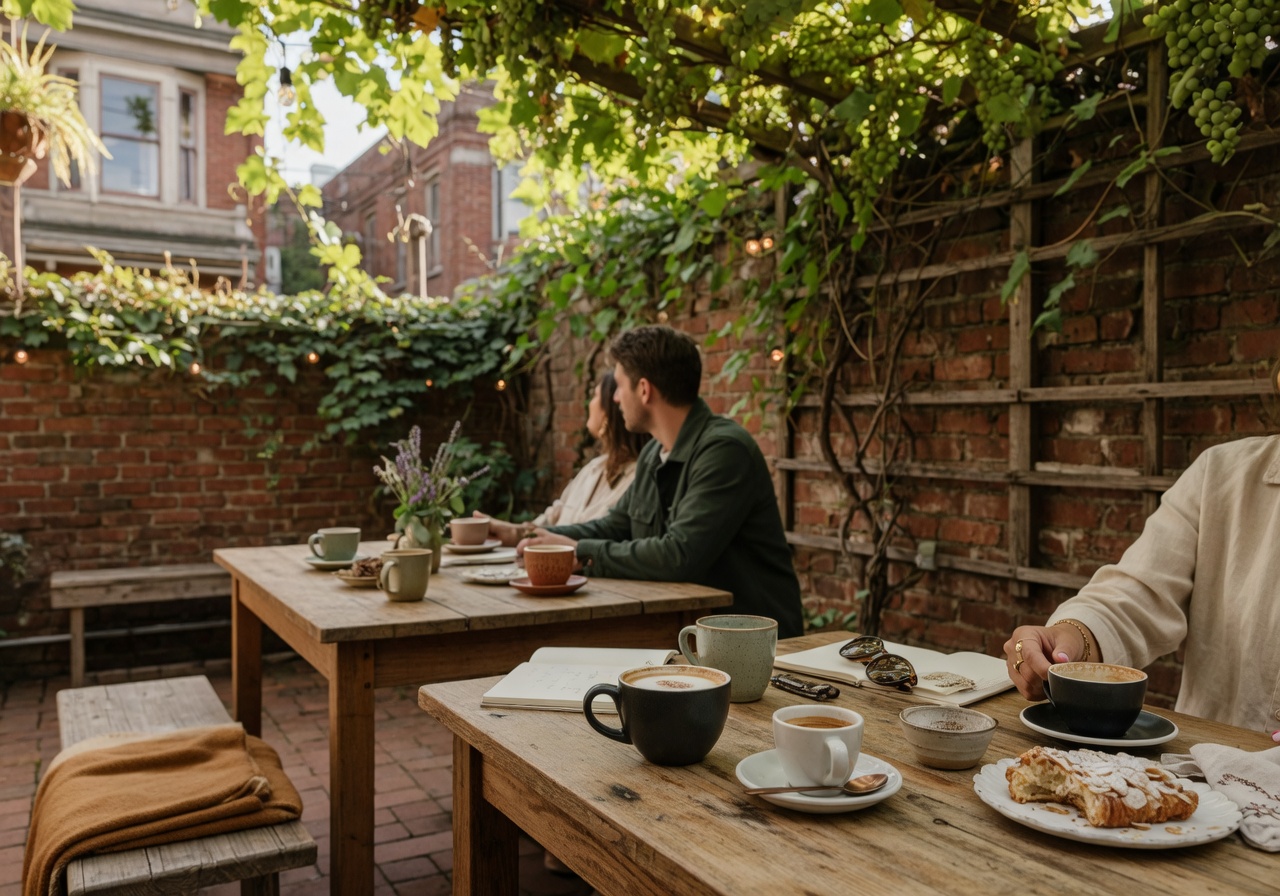
Cook Street Village is the commercial heart of Fairfield, and it operates like a small town main street that happens to be inside a city. The intersection of Cook Street and Fairfield Road is a genuine walkable hub. You can grab a coffee at Hey Happy, pick up dinner ingredients at the Cook Street Village Food Court, grab a pizza from Pizzeria Prima Strada, or settle in for a pint at The Beagle Pub. The street has a relaxed, lived-in feel that draws people out of their houses and onto the sidewalk.
The village also has a Thrifty Foods grocery store, a pharmacy, a hardware store, and enough small independent shops that you can cover most of your weekly errands on foot. It is rare in Victoria to find this kind of daily convenience in a residential neighbourhood this close to downtown. When clients ask me what Fairfield actually looks like on a Saturday morning, the answer is people walking their dogs to the bakery, grabbing a paper, and running into neighbours on the street.
How Are the Schools in Fairfield?
The main public elementary school in the neighbourhood is Margaret Jenkins Elementary at 1824 Fairfield Road, a K-5 school housed in a building that dates back to the early 1900s. It has a strong community reputation and feeds into周边 middle and high schools in the Greater Victoria School District. There is also Sir James Douglas Elementary and several nearby independent schools for families exploring private options.
For high school, Fairfield is zoned for Victoria High School (Vic High) in the Fernwood/Rockland area, which has its own established reputation. Families who prioritize top-tier public high school catchment often look at Oak Bay or parts of Saanich instead, so this is worth factoring into your decision if secondary school rankings matter to you.
What About Parks and Outdoor Access?
This is where Fairfield really stands out. Beacon Hill Park, Victoria's premier urban park, runs along the neighbourhood's western edge. It is 200 acres of walking trails, ponds with swans, cricket pitches, a petting zoo, and enough green space that you can spend a whole afternoon without covering the same ground twice. The park connects directly to the Dallas Road waterfront trail, which runs for several kilometres along the bluff with panoramic views of the Olympic Mountains.
Clover Point, at the south end of the neighbourhood, is a local favourite for kite flying, windsurfing, and watching freighters glide through the Strait. The Moss Street Market runs every Saturday from spring through fall at the corner of Moss Street and Fairfield Road, selling local produce, baked goods, and crafts. Gonzales Beach, where locals go for a quieter swim than Willows, is a short walk east along the waterfront.
There is also Moss Rock (Fairfield Hill) Park, a small but beloved green space at the top of the neighbourhood with views across the city. If outdoor access matters to your daily quality of life, there are few neighbourhoods in Victoria that deliver as much as Fairfield does.
What Is the Commute Like From Fairfield?
Fairfield is one of the most central neighbourhoods in Victoria. Downtown is a 15 to 20 minute walk from most parts of the neighbourhood, and a 5 minute bike ride. The University of Victoria is about a 15 minute bus ride up Fairfield Road and Shelbourne Street. If you work in the city core, Fairfield is one of the few neighbourhoods where you can genuinely leave the car at home.
The neighbourhood is well served by BC Transit routes, with the 7, 14, and 22 buses running along Fairfield Road and Cook Street. The Galloping Goose Regional Trail is accessible from the northern edge of the neighbourhood, giving cyclists and pedestrians a direct route to the West Shore without sharing the road with cars.
What Are the Tradeoffs of Buying in Fairfield?
Let me be honest about the downsides, because Fairfield is not for everyone. The housing stock is old, and old houses need maintenance. If you want a turnkey modern home with an open concept floor plan and a double garage, you are going to pay a premium for a renovated property or find yourself budgeting for a significant renovation. Some of the heritage homes in Fairfield have original wiring, old plumbing, and basements that flood in heavy rain. A good home inspection is non-negotiable here.
Parking can be tight. Many of the older homes do not have driveways, and street parking in the busier parts of the neighbourhood is competitive. If you own two cars, this will be an ongoing frustration. The lots are small, so if you want a big yard for gardening or a workshop, you will find more space in Saanich or the West Shore.
And the price. Fairfield is expensive. It is not Oak Bay premium, but you are paying a substantial amount for the location and the character. The entry point for a single-family home in Fairfield is well above what you would pay for a comparable house in Langford or Saanich. For buyers who can handle the maintenance and value walkability over square footage, the premium is worth it. For anyone stretching their budget to the limit, it is worth running the numbers carefully.
Who Is Fairfield Actually Best For?
Fairfield works best for buyers who prioritize walkability, character, and location over space and modern finishes. Young professionals who work downtown, families who want their kids to grow up walking to the park and the beach, and downsizers moving from a larger suburban home who want to be in the middle of things. It is also a strong choice for anyone who values heritage architecture and does not mind a renovation project.
If you are a first-time buyer looking for the most affordable entry point into Victoria's central neighbourhoods, Fairfield is worth a look at the condo and townhouse end of the market. If you want a new build, a big yard, and a two-car garage, you will find better value in Langford or the Saanich Peninsula.
Thinking About Buying in Fairfield?
I have helped buyers find the right home in Fairfield, from heritage character houses to modern condos with ocean views. Every neighbourhood has its own quirks, and Fairfield has plenty. I am happy to walk through what your budget actually gets you here, talk through the strata documents on a condo you are eyeing, or just answer the questions you have not thought to ask yet.
Schedule a call with usHow Does Fairfield Compare to Other Central Neighbourhoods?
Fairfield and James Bay share the Dallas Road waterfront and similar walkability, but Fairfield has more housing variety, a stronger commercial village, and a broader demographic mix. Oak Bay has the prestige and the schools, but you pay more per square foot and the walkable commercial area is smaller. Fernwood is more bohemian and slightly more affordable, but it lacks the ocean access and the park space. For a full comparison, see our guide to Fernwood and Oak Bay.
The bottom line is this: Fairfield is a premium neighbourhood for people who value walkability, heritage, and ocean access over space and modern finishes. If that sounds like you, it is worth every dollar. If you are not sure, come spend a Saturday morning at Cook Street Village and see if the feeling hits you. It usually does.