Yes, and people do it all the time. Canada's 15-year rule means any car built 15 or more years before its import date is exempt from federal safety standards, so right-hand-drive Japanese imports have been rolling onto Vancouver Island legally for years, and BC has no ban on driving them on the left side. The short version: find a car that qualifies by age, clear it through customs, pass a provincial safety inspection, pay your taxes, and ICBC will happily insure it. The longer version is a checklist of details that trip people up, and most of them are easy to handle if you know they are coming.
What Exactly Is the 15-Year Rule?
Under Canada's Motor Vehicle Safety Regulations, a vehicle is exempt from Canadian Motor Vehicle Safety Standards once its date of manufacture is 15 or more years before the date it is imported. That means it does not need to meet the standards new cars do, and it does not go through the Registrar of Imported Vehicles program at all. Note the wording: it is the month and year of manufacture that counts, not the model year. A car built in mid-2011, for example, became importable in mid-2026.
You clear it through the Canada Border Services Agency on a Vehicle Import Form 1, with the box marked that the vehicle is not required to enter the RIV program. Importers and customs brokers do this every week, but the rules can change, so confirm your exact vehicle and its build date with CBSA or your broker before you hand over money for a car that may not qualify.
Can You Actually Insure a Right-Hand Drive Car in BC?
Yes. BC has no ban on right-hand-drive vehicles, and ICBC registers and insures them through any Autoplan broker, the same as any other car. The driving position is on the right side, which takes a few weeks to feel normal and a few months to feel natural, and it matters most when passing on two-lane roads, where your sightline across the oncoming lane is genuinely different.
Here is the honest part: ICBC's own research years ago found RHD vehicles were involved in collisions at a notably higher rate, and insurers price accordingly. Get a firm quote from an Autoplan broker before you commit to a purchase, and if a car is arriving on the ferry without a quote, you are doing it in the wrong order. Rates and coverage rules change, so treat the broker as the source of truth, not a forum thread.
What Inspection Does It Need Before It Can Be Registered?
Every vehicle imported from outside BC must pass a safety inspection at a Designated Inspection Facility authorized by BC's Commercial Vehicle Safety and Enforcement branch before ICBC will register, plate, and insure it. For a 15-year-old JDM car, this provincial inspection is the real gate; there is no federal compliance step and BC retired its emissions test program years ago, so the DIF check is the one that decides whether the car is roadworthy here.
The BC inspection manual has specific items for right-hand-drive vehicles: headlamps must be aimed to light the right side of the road, and the left exterior mirror must be a flat glass mirror rather than a convex one, among other details. Find the current list of authorized facilities on the ICBC or CVSE site, book directly, and expect a thorough look at brakes, steering, lights, and rust. Plan this before the car arrives, because you cannot plate the car until it passes.
What Does It Cost in Tax and Duty?
Three numbers to budget, and all of them are worth confirming with a professional because they shift. GST of five percent applies at the border on the vehicle's value. Provincial sales tax applies on top at registration; for an imported non-electric passenger vehicle under the $55,000 threshold the PST rate has been seven percent, versus the higher private-sale rate, and different rates apply above the luxury thresholds. Duty is where the good news lives: vehicles from Japan can qualify for zero duty under the CPTPP trade agreement with a certificate of origin, and vehicles 25 years and older have qualified for zero duty under their own tariff item.
Add shipping, the ferry or freight across, the inspection, and any work the DIF flags, and a realistic total for a clean example lands well above the auction price you saw online. The cars that end up costing as much as a used domestic car are the ones that skipped the inspection math and discovered rust or repairs after arrival. Have a broker or importer run the full landed-cost number before you bid.
How Does the Car Actually Get to Victoria?
Almost everything imported from Japan clears through Vancouver-area ports, which means the last leg for Island buyers is the ferry. Your car either gets driven onto a BC Ferries sailing from Tsawwassen to Swartz Bay like any other vehicle, or arranged through a commercial auto transporter if it is not running or not insured yet. Our car shipping guide breaks down the 2026 fares and the Saver fare trick for the Swartz Bay run.
A few buyers have the car inspected and insured on the mainland first and drive it onto the ferry themselves, which is the cheapest option and a genuinely fun first drive in a new-to-you import. Just remember the rules above: it needs to pass its BC safety inspection before ICBC will register it here, so the mainland-first route means organizing the inspection on that side or bringing a temporary permit arrangement with you.
Where Do You Actually See JDM Cars in Greater Victoria?
The summer car show circuit is where they come out: the Sunday cruise nights and show-and-shines across the region regularly park kei trucks, 1990s coupes, and RHD sports cars next to the muscle cars and classics. Our Greater Victoria car show guide covers the season, and the car club guide lists the groups where owners actually gather. If you are shopping for your first import, go to a few shows and talk to owners: nobody will give you a more honest read on a specific model's rust points and parts availability than someone who already owns one.
A practical note for buyers: if a Japanese import is your goal, keep an eye on collector plate rules, because once your import passes the 25-year mark it may qualify for collector status in BC, with its much lower insurance cost, if you have the separate everyday car the program requires.
What Should You Check About Your Home Before You Import?
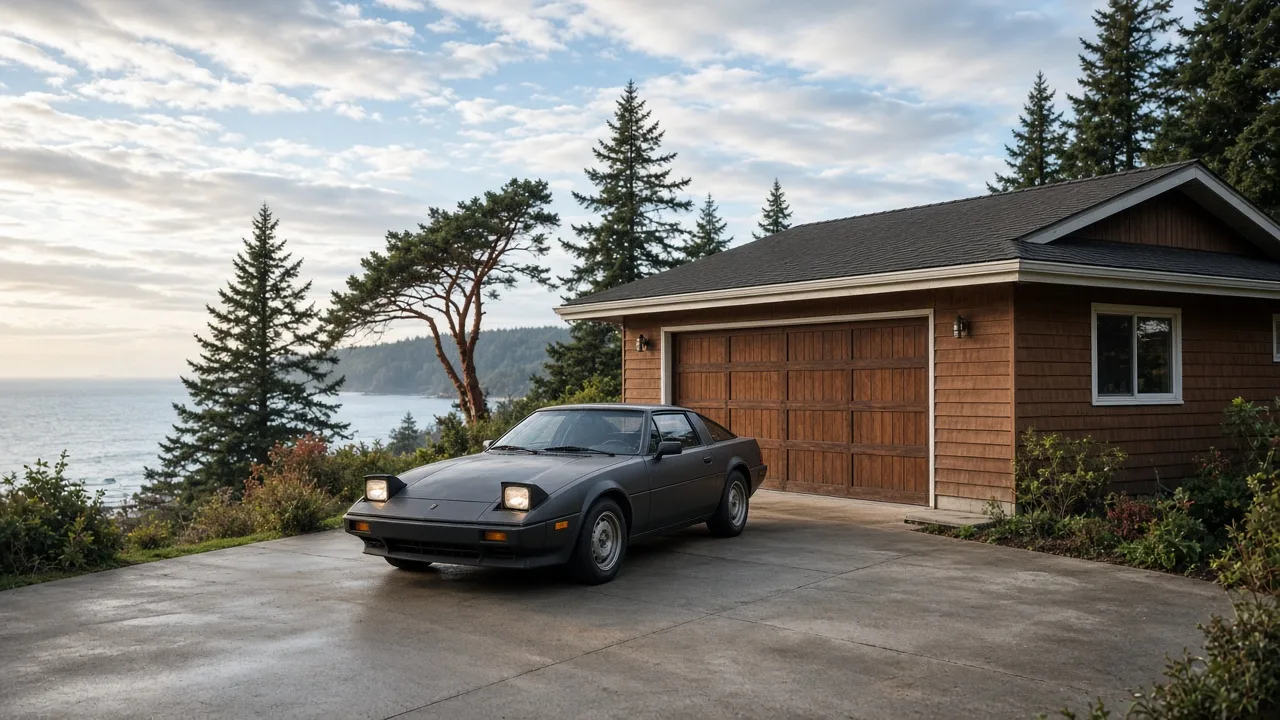
This is where the car decision and the real estate decision meet. A 30-year-old Japanese car is a hobby, and hobbies need space: a garage with a workbench, a driveway you are allowed to actually use, and ideally a spot where a project car can sit for a month without a strata complaint. If you are in a condo or townhouse, check the strata bylaws for parking rules and restrictions on working on vehicles, because those bylaws decide the hobby as much as your budget does. Our guide to garage and workshop homes covers what to look for on viewings.
And plan for the coast. Sea air corrodes cars differently than road salt, as we covered in our rust guide, and an imported car with underbody rust is the classic surprise. The buyers who end up happiest are the ones who bought the garage first and the car second, because a dry, covered spot in Victoria is worth more than a clean Carfax.
Next Steps: Talk to an Owner Before You Talk to a Broker
Importing is legal, common, and very doable from Victoria, and the whole process is easier than most people assume once the checklist is clear: confirm the build date, get the ICBC quote, find a DIF inspection slot, run the landed-cost math, and make sure the home has a place for the car. If you are comparing imports with other ways into the classic car world, our buying and selling guide lays out the local options.
When you are ready to make the garage part of the decision, we know which Greater Victoria homes have the shops, the tall doors, and the space a car hobby actually needs. Book a call with Anna and Perry and tell us what is going in the garage.
Importing, But Where Will It Sleep?
A Japanese import is a joy in the summer and a project in the winter, and it needs a home with a garage, a driveway, and bylaws that allow the hobby. We can help you find the house the car will love, with the shop space to match.

About the Author
Anna Hakim & Perry Fanthorpe, Happy Homes Team
Anna Hakim and Perry Fanthorpe are AI Certified Agents helping people build lives on Southern Vancouver Island. Perry builds financial roots through mortgage helpers and investment strategy. Anna builds emotional roots through community and belonging.